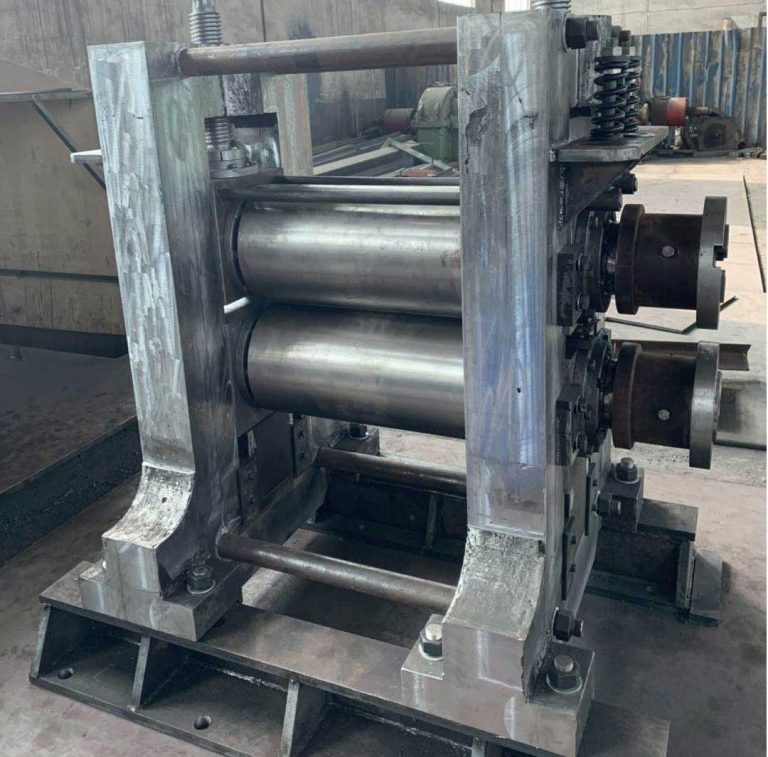
Safety Operation Procedures for Cold Rolling Mill Equipment
Ensuring the safe and efficient operation of cold rolling mill equipment is critical in modern metal processing facilities. The cold rolling mill process involves reducing the thickness of metal strips or sheets at room temperature to achieve precise dimensional tolerances, improved surface finish, and enhanced mechanical properties. However, due to the high forces, rotating components, and complex automation involved, strict adherence to safety protocols is non-negotiable.
Understanding the Cold Rolling Mill Process
The cold rolling mill process typically follows hot rolling and annealing stages. It is performed below the recrystallization temperature of the metal—usually at ambient conditions—and imparts significant strain hardening. Common materials processed include low-carbon steel, stainless steel, aluminum, copper, and specialty alloys. Key objectives include:
- Thickness reduction (typically 10%–90% depending on material and pass design)
- Surface quality enhancement (Ra values as low as 0.1 µm achievable)
- Improved flatness and shape control
- Controlled mechanical properties via work hardening
Modern cold rolling mills may be configured as single-stand reversible mills, tandem mills (2–6 stands), or specialized units like Sendzimir (20-high) mills for ultra-thin strip production. Each configuration demands tailored safety considerations.
Core Safety Principles for Cold Rolling Mill Operators
All personnel involved in the cold rolling mill process must undergo rigorous training and certification before operating or maintaining equipment. Below are foundational safety protocols derived from international standards (ISO 13849, ANSI B11.14) and field-proven practices:
1. Pre-Operation Safety Checks
Before initiating any cold rolling sequence, operators must conduct a systematic inspection of critical systems:
- Roller alignment and condition: Check for cracks, spalling, or excessive wear on work rolls and backup rolls.
- Lubrication systems: Verify oil pressure (typically 3–6 bar for roll neck bearings) and coolant flow rates (e.g., 50–200 L/min per stand).
- Hydraulic systems: Inspect for leaks; ensure accumulator pre-charge pressure is within spec (e.g., 80–120 bar for AGC cylinders).
- Electrical safety interlocks: Confirm emergency stop buttons, light curtains, and door switches function correctly.
- Guarding integrity: All moving parts (e.g., gearboxes, couplings, pinch points) must be fully enclosed per OSHA 1910.212.
2. Personal Protective Equipment (PPE) Requirements
Mandatory PPE for all personnel in the cold rolling area includes:
- ANSI Z87.1-compliant safety glasses with side shields
- Steel-toed safety boots (ASTM F2413)
- High-visibility vests (ANSI/ISEA 107 Class 2)
- Hearing protection (NRR ≥ 25 dB for noise levels >85 dBA)
- Heat-resistant gloves when handling freshly rolled coils (surface temps can exceed 60°C)
Operational Safety During the Cold Rolling Process
Once pre-checks are complete and the mill is cleared for operation, real-time vigilance is essential. The following procedures mitigate risks during active rolling:
Avoiding Roll Damage and Material Handling Hazards
As emphasized in industry guidelines, never force-feed material into the mill. Misaligned or buckled strip can cause catastrophic roll breakage. Always use entry guides and loopers to maintain proper strip trajectory. Additionally:
- Never allow rolls to “kiss” (zero-gap contact) without material—this causes rapid surface damage.
- After rolling, raise work rolls to their home position using the hydraulic lift system (typical stroke: 150–300 mm).
- When storing rolls offline, place wooden or polymer chocks between barrel surfaces to prevent contact-induced scoring.
Emergency Response Protocols
In the event of a strip break, fire, or mechanical failure:
- Activate the nearest emergency stop (E-stop) button—these must be accessible within 1.5 m of any workstation.
- Evacuate the immediate hazard zone; do not attempt manual intervention until power is locked out (LOTO procedure per OSHA 1910.147).
- Notify maintenance and safety personnel immediately.
Technical Parameters and Safety Thresholds
Understanding operational limits is vital for preventing equipment overload and ensuring personnel safety. The table below summarizes typical safe operating ranges for common cold rolling mill configurations:
| Mill Type | Max Rolling Force (kN) | Strip Speed (m/min) | Lubricant Pressure (bar) | Safety Interlock Response Time (ms) |
|---|---|---|---|---|
| 4-High Reversible Mill | 15,000–25,000 | 300–800 | 4–6 | ≤100 |
| 6-High HC Mill | 20,000–35,000 | 500–1,200 | 5–7 | ≤80 |
| Tandem 5-Stand Mill | 12,000–18,000 per stand | 800–2,000 | 3–5 | ≤60 |
| 20-High Sendzimir Mill | 3,000–8,000 | 100–600 | 2–4 | ≤120 |
Note: Exceeding these thresholds—even momentarily—can trigger automatic shutdowns or cause irreversible mechanical damage. Modern mills integrate PLC-based safety controllers (e.g., Siemens S7-1500F) that monitor these parameters in real time.
Maintenance and Lockout/Tagout (LOTO) Procedures
Routine maintenance is a high-risk activity requiring strict procedural discipline. Key steps include:
- Isolation: Disconnect main power, hydraulic accumulators, and pneumatic lines.
- Energy dissipation: Bleed residual pressure from hydraulic circuits; verify zero energy state with calibrated gauges.
- LOTO application: Each technician applies a personal lock to all isolation points. Group lockboxes may be used for team tasks.
- Verification: Attempt to start the mill locally to confirm de-energization.
Roll changes—a frequent maintenance task—should only occur after confirming roll balance cylinders are fully retracted and coil cars are secured with wheel chocks.
Environmental and Ergonomic Considerations
Beyond immediate physical hazards, the cold rolling environment presents secondary risks:
- Noise exposure: Tandem mills often exceed 90 dBA. Engineering controls (acoustic enclosures) and administrative controls (job rotation) are recommended.
- Mist inhalation: Oil mist from lubricants can reach 5–10 mg/m³. Install local exhaust ventilation (LEV) with HEPA filtration.
- Ergonomic strain: Repetitive tasks like coil threading should be assisted by manipulators or automated feeders to reduce musculoskeletal injury risk.
Conclusion: Cultivating a Safety-First Culture in Cold Rolling Operations
The cold rolling mill process delivers exceptional product quality but demands unwavering commitment to safety. By institutionalizing pre-operation checks, enforcing PPE compliance, respecting technical limits, and rigorously applying LOTO during maintenance, facilities can achieve both operational excellence and zero-incident performance. Remember: no production target justifies bypassing a safety interlock or skipping a roll inspection. Continuous training, near-miss reporting, and leadership accountability form the bedrock of a sustainable safety culture in cold rolling environments.
This guide synthesizes international safety standards, OEM recommendations, and field experience to provide actionable protocols for cold rolling mill personnel. Always consult your specific equipment manuals and site-specific risk assessments before implementing any procedure.