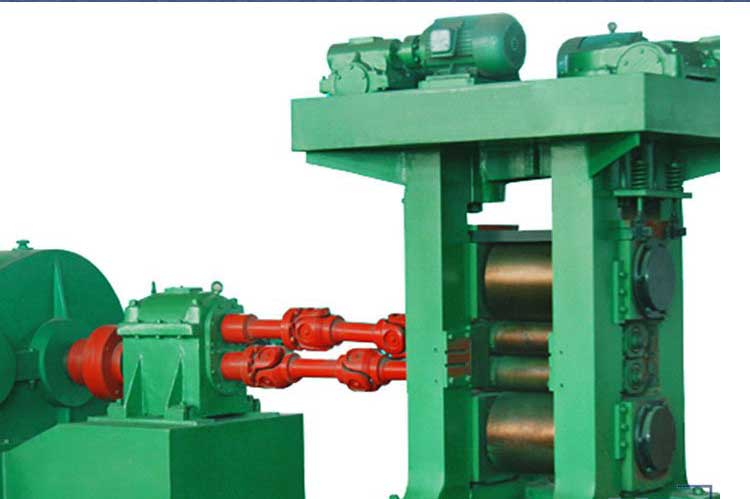
Production Efficiency Improvement of Cold Rolling Mills
In the competitive landscape of metal processing, achieving optimal production efficiency in cold rolling mills has become a critical factor for manufacturers seeking to maintain profitability and meet increasing market demands. This comprehensive guide explores proven strategies, technical considerations, and practical approaches to enhance the productivity of cold rolling operations while maintaining superior product quality.
Understanding the Fundamentals of Cold Rolling Mill Efficiency
Cold rolling mills represent one of the most sophisticated and capital-intensive equipment in the metal processing industry. These machines work by passing metal strips through a series of rolls at temperatures below the material’s recrystallization point, resulting in improved surface finish, tighter dimensional tolerances, and enhanced mechanical properties. The efficiency of these operations directly impacts the overall profitability of steel and non-ferrous metal production facilities.
Production efficiency in cold rolling encompasses multiple dimensions, including throughput rate, yield percentage, energy consumption, and equipment availability. According to industry research, even a 5% improvement in overall equipment effectiveness (OEE) can translate to significant annual savings for medium to large-scale operations. The challenge lies in identifying and addressing the various factors that contribute to efficiency losses without compromising product quality or equipment longevity.
Key Performance Indicators for Cold Rolling Mills
- 01 Rolling speed (meters per minute)
- 02 Thickness accuracy and consistency
- 03 Surface quality metrics
- 04 Equipment availability percentage
- 05 Energy consumption per ton of output
- 06 Yield rate and scrap reduction
Roll Change Optimization: A Critical Efficiency Factor
The roll changing process represents one of the most significant sources of downtime in cold rolling operations. Traditional roll change procedures can consume anywhere from 30 minutes to several hours depending on the mill configuration and the experience level of the operating crew. Optimizing this process offers substantial opportunities for efficiency gains.
Modern approaches to roll change optimization begin with thorough preparation. Maintaining a ready inventory of pre-assembled roll sets, complete with bearings and chocks, allows for rapid exchange without the need for time-consuming assembly work during the changeover. This practice, often referred to as “quick roll change” or “rapid roll exchange,” can reduce changeover times by 40-60% compared to conventional methods.
Before Optimization
90-120 min
Average roll change time
After Optimization
35-50 min
Optimized roll change time
Efficiency Gain
50-60%
Time reduction achieved
The layout and organization of roll change equipment also plays a crucial role. Positioning hydraulic jacks, roll handling carts, and specialized tools in optimal locations minimizes unnecessary movement and reduces the physical strain on maintenance personnel. Some facilities have implemented dedicated roll change stations with overhead cranes and automated positioning systems that further streamline the process.
Standardizing roll change procedures through detailed work instructions and regular training ensures consistency across different shifts and personnel. Video documentation of best practices, combined with periodic time studies, helps identify opportunities for continuous improvement and prevents the gradual degradation of changeover performance over time.
Rolling Parameter Optimization for Maximum Throughput
The selection and optimization of rolling parameters directly influences both production speed and product quality. Finding the optimal balance requires a deep understanding of material behavior, equipment capabilities, and process limitations. Modern cold rolling mills equipped with advanced automation systems can dynamically adjust parameters in real-time, but the fundamental principles remain applicable across all equipment generations.
Rolling speed optimization requires careful consideration of multiple factors including material grade, strip width, target thickness, and surface quality requirements. Higher speeds generally improve throughput but may introduce challenges related to strip tracking, temperature control, and surface defects. The key is to establish speed limits for different product categories based on systematic trials and quality data analysis.
The reduction schedule—the distribution of thickness reduction across multiple passes—significantly impacts both efficiency and quality. Aggressive reduction schedules that maximize per-pass reduction can reduce the total number of passes required, but must be balanced against the risk of edge cracking, excessive work hardening, and flatness defects. Computer-aided pass schedule optimization tools can help identify the optimal balance for specific material and equipment combinations.
Preventive Maintenance Strategies for Maximum Uptime
Equipment reliability forms the foundation of production efficiency. Unplanned downtime not only disrupts production schedules but often results in quality issues when operations resume. A well-designed preventive maintenance program addresses potential problems before they cause failures, ensuring consistent equipment availability and performance.
The roll system requires particular attention due to its direct impact on product quality and the significant time required for unplanned roll changes. Regular inspection of roll surfaces for wear patterns, surface defects, and dimensional changes allows for planned replacement before quality problems develop. Roll grinding schedules should be optimized based on actual wear rates rather than fixed time intervals, maximizing roll life while maintaining surface quality standards.
Critical Maintenance Focus Areas
🔧 Roll System
Surface condition monitoring, bearing inspection, chock maintenance, roll alignment verification
💧 Hydraulic System
Fluid analysis, filter replacement, pump inspection, cylinder seal monitoring
⚡ Lubrication System
Oil quality testing, nozzle cleaning, flow rate verification, temperature control
🎛️ Control Systems
Sensor calibration, drive system inspection, software updates, backup verification
Hydraulic systems power many critical functions in cold rolling mills, including roll force application, roll bending, and strip tension control. Regular fluid analysis can detect contamination and degradation before they cause component failures. Maintaining proper filtration, monitoring system pressures, and inspecting seals and hoses according to manufacturer recommendations prevents costly breakdowns and ensures consistent system performance.
The lubrication system plays a dual role in cold rolling, providing both cooling and friction reduction in the roll bite. Contaminated or degraded rolling oil can cause surface defects, increased roll wear, and reduced rolling speeds. Implementing a comprehensive oil management program that includes regular testing, filtration system maintenance, and timely oil replacement protects both product quality and equipment longevity.
Advanced Technologies for Efficiency Enhancement
The integration of advanced technologies offers significant opportunities for efficiency improvement in cold rolling operations. While the fundamental physics of metal deformation remain unchanged, modern sensing, computing, and control technologies enable levels of process optimization that were previously impossible.
Automatic gauge control (AGC) systems have evolved significantly over the past decades. Modern AGC systems combine multiple measurement inputs—including roll force, strip tension, and direct thickness measurement—with sophisticated control algorithms to maintain thickness accuracy even at high rolling speeds. The latest systems incorporate predictive elements that anticipate thickness variations based on incoming material properties and adjust parameters proactively.
Flatness measurement and control systems address one of the most challenging aspects of cold rolling. Strip flatness defects such as edge waves, center buckles, and quarter buckles result from non-uniform elongation across the strip width. Modern flatness measurement rolls provide real-time feedback that enables automatic adjustment of roll bending, roll shifting, and zone cooling to maintain flatness within specification.
Surface inspection systems using high-resolution cameras and advanced image processing algorithms can detect surface defects in real-time at full production speeds. Early detection of defects allows operators to take corrective action before significant quantities of defective material are produced, improving yield and reducing the cost of quality issues.
Energy Efficiency Considerations
Energy consumption represents a significant operating cost for cold rolling mills, and improving energy efficiency contributes directly to overall production economics. The main energy consumers in cold rolling operations include the main drive motors, auxiliary systems, and cooling/lubrication systems.
Main drive efficiency can be improved through proper motor sizing, drive system optimization, and regenerative braking systems that recover energy during deceleration. Variable frequency drives (VFDs) allow motors to operate at optimal efficiency across a range of speeds, reducing energy consumption compared to fixed-speed systems with mechanical speed control.
Energy Saving Opportunities
Research indicates that comprehensive energy optimization programs can reduce electricity consumption in cold rolling operations by 15-25%. Key areas for improvement include:
- Optimizing pass schedules to minimize total deformation energy
- Implementing regenerative drives for energy recovery
- Upgrading to high-efficiency motors and transformers
- Optimizing cooling system operation based on actual heat loads
- Reducing idle time energy consumption through automatic standby modes
Lubrication and cooling systems offer additional opportunities for energy savings. Optimizing pump operation, implementing variable-speed drives on cooling fans, and ensuring proper insulation of heated tanks can significantly reduce auxiliary energy consumption. Heat recovery systems that capture waste heat from the rolling process for use in other plant operations provide additional efficiency benefits.
Workforce Training and Skill Development
The human element remains critical to cold rolling mill efficiency despite increasing automation. Skilled operators can recognize subtle signs of developing problems, make informed decisions about process adjustments, and respond effectively to unexpected situations. Investing in workforce training and development pays dividends through improved equipment utilization and reduced quality issues.
Effective training programs combine theoretical knowledge with hands-on experience. Operators should understand the fundamental principles of metal deformation, the relationships between process parameters and product quality, and the capabilities and limitations of the equipment they operate. This knowledge enables them to make better decisions and contribute to continuous improvement efforts.
📚 Technical Training
- Rolling theory and metallurgy fundamentals
- Equipment operation and control systems
- Quality standards and measurement techniques
- Troubleshooting and problem-solving methods
🎯 Practical Skills
- Roll change procedures and optimization
- Parameter adjustment techniques
- Preventive maintenance tasks
- Emergency response procedures
Cross-training operators on multiple positions increases workforce flexibility and ensures that production can continue even when key personnel are absent. It also provides operators with a broader perspective on the overall process, enabling them to better understand how their actions affect downstream operations.
Production Planning and Scheduling Optimization
Efficient production planning and scheduling can significantly impact cold rolling mill productivity. Grouping similar products to minimize changeovers, sequencing orders to reduce setup time between products, and coordinating with upstream and downstream processes all contribute to improved efficiency.
Campaign rolling—processing large quantities of similar products before changing to different specifications—reduces the frequency of roll changes and parameter adjustments. However, this must be balanced against inventory costs and customer delivery requirements. Advanced planning systems can optimize the trade-off between production efficiency and service level objectives.
Coordination with upstream processes such as pickling lines and with downstream processes such as annealing and finishing lines ensures smooth material flow and prevents bottlenecks. Buffer storage between processes provides flexibility to handle variations in processing rates, but excessive inventory ties up capital and floor space. Finding the optimal balance requires careful analysis of process capabilities and variability.
Quality-Efficiency Balance
Pursuing efficiency improvements must not come at the expense of product quality. Quality problems result in customer complaints, returns, and lost business that far outweigh any short-term efficiency gains. The goal is to find the optimal operating point that maximizes throughput while maintaining quality within specification.
Statistical process control (SPC) provides a framework for monitoring process stability and detecting trends before they result in out-of-specification product. Control charts for key quality parameters such as thickness, flatness, and surface roughness enable operators to distinguish between normal process variation and assignable causes that require intervention.
Quality-Efficiency Integration Principles
Right First Time
Prevent defects rather than detect them
Data-Driven Decisions
Use statistical methods for process control
Continuous Improvement
Systematically reduce variation
Balanced Optimization
Consider total cost of quality
Root cause analysis of quality problems often reveals opportunities for both quality improvement and efficiency gains. For example, investigating the cause of surface defects might identify a lubrication system issue that, once corrected, allows higher rolling speeds while also eliminating the defects. This synergy between quality and efficiency improvement is a hallmark of well-managed operations.
Implementation Roadmap for Efficiency Improvement
Implementing a comprehensive efficiency improvement program requires a structured approach that prioritizes opportunities based on potential impact and implementation difficulty. Starting with quick wins builds momentum and generates resources for more complex improvements.
Similar Posts
HANI 4 Hi Cold Rolling Mills: The Ultimate Solution for Ultra-Precision Metal Processing
When it comes to producing ultra-thin, high-strength metal strips with exceptional flatness and surface finish, the 4 hi cold rolling mill stands as the industry benchmark. As a global leader in rolling technology, HANI TECH specializes in designing and manufacturing 4 hi cold rolling mills that deliver unmatched precision, efficiency, and reliability for demanding applications in automotive, electronics, aerospace, and more….