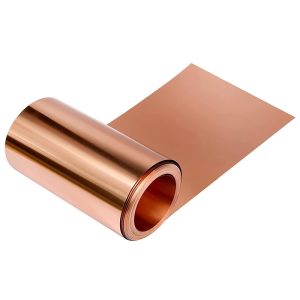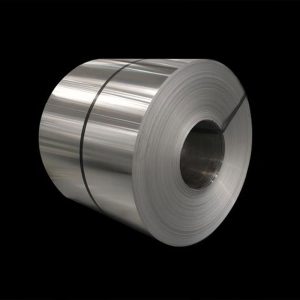

Pure Nickel Strip
Brand name: HANI
Packing Details : Wooden box with fumigation or Wooden Fram or Steel Frame
Delivery Details: 30~60days or Based on the quantity
Shipping: Sea freight、Land freight、Air freight
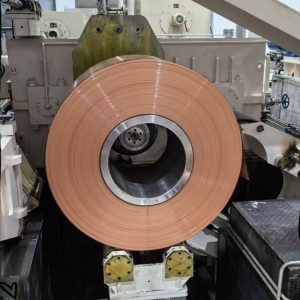
HANI focuses on cold rolling mill equipment technology, safeguarding your production.
Product Details
In the realm of advanced materials, pure nickel strip stands out as a versatile and high-performance product widely used across various industries. Known for its excellent electrical conductivity, corrosion resistance, and mechanical properties, pure nickel strip is a crucial component in applications ranging from electronics to aerospace. This comprehensive guide will delve into the properties, manufacturing processes, applications, and benefits of pure nickel strip, with a particular focus on the role of cold rolling mills in its production.
Understanding Pure Nickel Strip
What is Pure Nickel Strip?
Pure nickel strip is a flat, elongated piece of nickel that has been processed to achieve specific thickness and width. Nickel, a silvery-white metal, is renowned for its high resistance to corrosion and oxidation, making it an ideal material for various industrial applications. Pure nickel strips can be produced in different grades and can vary in thickness, width, and surface finish, depending on the specific requirements of the application.
Properties of Pure Nickel Strip
Pure nickel strip possesses several key properties that make it a preferred choice in various applications:
- Corrosion Resistance: Nickel’s natural resistance to corrosion allows it to withstand harsh environments, making it ideal for chemical processing and marine applications.
- Electrical Conductivity: Pure nickel has excellent electrical conductivity, making it suitable for use in electrical contacts, connectors, and batteries.
- Thermal Conductivity: Nickel also exhibits high thermal conductivity, advantageous in applications requiring efficient heat dissipation.
- Ductility and Malleability: Pure nickel strip can be easily formed and shaped without breaking, allowing for intricate designs and configurations.
- Magnetic Properties: Nickel is ferromagnetic, which can be beneficial in specific applications, such as magnetic shielding.
Manufacturing Process of Pure Nickel Strip
The production of pure nickel strip involves several steps, with cold rolling mills playing a critical role in ensuring that the final product meets stringent quality and performance standards. Below is an overview of the manufacturing process:
-
Raw Material Selection: High-purity nickel is sourced from reliable suppliers. The purity level is crucial, as it directly affects the properties of the final product.
-
Melting: The selected nickel is melted in a controlled environment to eliminate impurities and achieve the desired chemical composition.
-
Casting: The molten nickel is cast into large slabs or ingots, which will be further processed into strips.
-
Hot Rolling: The cast nickel is subjected to hot rolling, where it is heated and passed through rollers to reduce its thickness and achieve the desired width.
-
Cold Rolling: This is where the cold rolling mill comes into play. The hot-rolled strips undergo cold rolling, which further reduces thickness and enhances surface finish and mechanical properties. Cold rolling also improves the material’s strength and ductility, making it ideal for precision applications.
-
Annealing: The strips are then annealed in a controlled atmosphere to relieve internal stresses and improve ductility.
-
Cutting and Finishing: Finally, the pure nickel strip is cut to the required lengths and undergoes finishing processes, such as polishing or coating, to enhance surface quality.
Technical Specifications
The following table outlines the typical technical specifications of pure nickel strip:
| Specification | Value |
|---|---|
| Material Composition | Nickel (Ni) ≥ 99.9% |
| Thickness Range | 0.1 mm to 5.0 mm |
| Width Range | 5 mm to 200 mm |
| Length | Customizable |
| Surface Finish | Bright, matte, or coated |
| Density | 8.90 g/cm³ |
| Melting Point | 1455 °C |
Applications of Pure Nickel Strip
The versatility of pure nickel strip makes it suitable for a wide range of applications, including:
- Electronics: Used in the production of electrical connectors, contacts, and battery terminals due to its excellent electrical conductivity.
- Aerospace: Employed in various components that require high corrosion resistance and strength, especially in harsh environments.
- Chemical Processing: Utilized in equipment and piping systems that handle corrosive substances, such as acids and alkalis.
- Automotive: Applied in battery manufacturing, particularly in electric vehicles, where high conductivity and reliability are essential.
- Medical Devices: Used in surgical instruments and implants due to its biocompatibility and resistance to corrosion.
Benefits of Pure Nickel Strip
Using pure nickel strip in manufacturing processes offers numerous advantages:
- High Performance: The unique properties of pure nickel provide reliable performance in demanding applications, ensuring longevity and durability.
- Customizability: Pure nickel strips can be tailored to specific requirements, including thickness, width, and surface finish, making them suitable for various applications.
- Cost-Effectiveness: While the initial cost of pure nickel may be higher than other materials, its durability and performance can lead to lower overall costs in the long run.
- Sustainability: Nickel is recyclable, making pure nickel strip an environmentally friendly choice for manufacturers looking to reduce their carbon footprint.
FAQ
-
What is the purity level of pure nickel strip?
Pure nickel strip typically has a purity level of 99.9% or higher, ensuring optimal performance in various applications. -
What thicknesses are available for pure nickel strip?
Pure nickel strips are available in a range of thicknesses, typically from 0.1 mm to 5.0 mm, depending on specific application requirements. -
Can pure nickel strip be customized?
Yes, HANI offers customizable options for pure nickel strip, including variations in thickness, width, and surface finish to meet specific customer needs. -
What are the main applications of pure nickel strip?
Pure nickel strip is widely used in electronics, aerospace, chemical processing, automotive, and medical devices due to its excellent properties. -
How should pure nickel strip be stored?
Pure nickel strip should be stored in a dry, cool environment to prevent corrosion and maintain its quality. It is advisable to keep it away from moisture and harsh chemicals. -
Is pure nickel strip magnetic?
Yes, pure nickel is ferromagnetic, which can be advantageous in certain applications requiring magnetic properties. -
How does HANI ensure the quality of pure nickel strip?
HANI employs strict quality control measures throughout the manufacturing process, including material selection, testing, and inspection, to ensure that the pure nickel strip meets industry standards.
Conclusion
Pure nickel strip is an essential material in various industries, offering excellent properties that enhance performance and reliability. With its corrosion resistance, electrical conductivity, and customizability, pure nickel strip is a preferred choice for manufacturers seeking high-quality materials for demanding applications.
For those looking to produce pure nickel strip, HANI provides state-of-the-art cold rolling mills designed to meet the highest standards of quality and precision. HANI’s commitment to quality and customer satisfaction ensures that clients receive the best products tailored to their specific needs.
For more information or to request a quote, please visit HANI’s official website or contact their sales team directly. The benefits of integrating pure nickel strip into your production line are substantial, leading to improved efficiency, reduced costs, and enhanced product quality.
HANI is one of China’s leading professional cold rolling mill manufacturers, providing complete cold rolling systems to steel companies worldwide. HANI focuses on designing and manufacturing integrated cold rolling solutions that meet the industry’s highest standards of precision, efficiency, and durability. Our engineering expertise lies in providing turnkey cold rolling production lines to optimize the performance of modern steel manufacturing plants.