

Cold Rolling Aluminium
Brand name: HANI
Packing Details : Wooden box with fumigation or Wooden Fram or Steel Frame
Delivery Details: 30~60days or Based on the quantity
Shipping: Sea freight、Land freight、Air freight
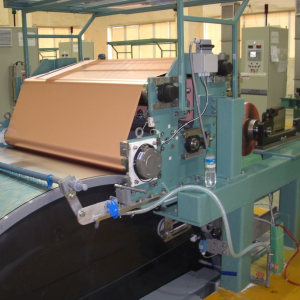
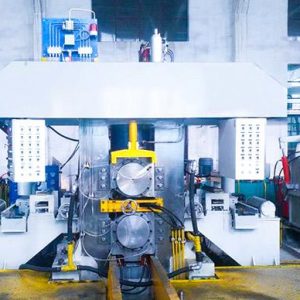
HANI focuses on cold rolling mill equipment technology, safeguarding your production.
Product Details
The global demand for cold rolling aluminium has surged in recent years, driven by its superior mechanical properties, cost-efficiency, and versatility across industries. As a key metalworking process, cold rolling transforms aluminium slabs into thin, high-precision sheets and coils without heating, enabling manufacturers to achieve tight tolerances, enhanced surface finishes, and improved strength-to-weight ratios. This guide explores the production processes, types, applications, and emerging trends in cold rolling aluminium, emphasizing its critical role in modern manufacturing.
1. What Is Cold Rolling Aluminium?
Cold rolling aluminium refers to the deformation of aluminium alloys at room temperature (or slightly above, due to friction-induced heat) to reduce thickness, improve surface quality, and enhance mechanical properties. Unlike hot rolling, which involves heating aluminium above its recrystallization temperature, cold rolling relies on plastic deformation under high pressure, resulting in strain hardening. This process is widely used to produce aluminium sheets, coils, and foils for applications requiring precision, durability, and aesthetic appeal.
Key Characteristics of Cold Rolling Aluminium
- High Precision: Tolerances as tight as ±0.01mm.
- Enhanced Strength: Strain hardening increases yield strength by up to 50%.
- Superior Surface Finish: Smooth, defect-free surfaces ideal for coating and printing.
- Energy Efficiency: No heating required, reducing energy consumption by 30–50% compared to hot rolling.
- Material Versatility: Compatible with pure aluminium and alloys like 3003, 5052, and 6061.
2. Production Process of Cold Rolling Aluminium
The cold rolling aluminium process involves multiple stages, each critical to achieving desired properties and dimensions. Below is a step-by-step breakdown:
2.1 Pre-Rolling Preparation
- Ingot Casting: Aluminium is melted and cast into slabs or billets.
- Homogenization: Heat treatment to eliminate segregation and improve ductility.
- Hot Rolling (Optional): Pre-thinning via hot rolling to reduce initial thickness before cold rolling.
2.2 Cold Rolling Stages
- First Pass Rolling: Reduces thickness by 20–50% using a reversing mill.
- Intermediate Annealing: Heat treatment to restore ductility after strain hardening.
- Multi-Pass Rolling: Further thickness reduction (up to 90%) in tandem mills.
- Final Annealing: Stress relief to stabilize properties.
- Surface Treatment: Cleaning, degreasing, and coating (e.g., anodizing, painting).
2.3 Quality Control
- Thickness Gauging: Laser or X-ray systems ensure ±0.005mm accuracy.
- Flatness Measurement: Laser profilometers detect and correct warping.
- Surface Inspection: Automated vision systems identify defects like scratches or pits.
Table 1: Comparison of Hot Rolling vs. Cold Rolling Aluminium
| Parameter | Hot Rolling | Cold Rolling |
|---|---|---|
| Temperature | 400–500°C | Room temperature (100–150°C due to friction) |
| Thickness Reduction | Up to 80% in single pass | Up to 90% in multi-pass |
| Surface Finish | Rough, requires additional treatment | Smooth, ready for coating |
| Energy Consumption | High (heating costs) | Low (no heating) |
| Mechanical Properties | Lower strength, higher ductility | Higher strength, lower ductility |
3. Types of Cold-Rolled Aluminium Products
The cold rolling aluminium process yields a diverse range of products tailored to specific applications:
3.1 Aluminium Sheets
- Thickness: 0.1–6mm
- Applications: Automotive body panels, aerospace components, construction cladding.
- Alloys: 5052 (marine-grade), 6061 (structural), 3003 (general-purpose).
3.2 Aluminium Coils
- Thickness: 0.1–3mm
- Applications: HVAC ducts, roofing, electrical transformers.
- Coating Options: Anodized, painted, or lacquered finishes.
3.3 Aluminium Foils
- Thickness: 0.006–0.2mm
- Applications: Food packaging, pharmaceutical blister packs, insulation.
- Key Property: Impermeability to moisture and oxygen.
Table 2: Common Cold-Rolled Aluminium Alloys and Their Properties
| Alloy | Key Properties | Applications |
|---|---|---|
| 1100 | High corrosion resistance, soft | Chemical equipment, decorative trim |
| 3003 | Moderate strength, excellent formability | Cookware, fuel tanks, roofing |
| 5052 | High strength, fatigue resistance | Marine structures, pressure vessels |
| 6061 | Heat-treatable, weldable | Aerospace frames, automotive parts |
4. Applications of Cold-Rolled Aluminium
The versatility of cold rolling aluminium makes it indispensable across industries:
4.1 Automotive Industry
- Body Panels: Cold-rolled 6061 aluminium reduces vehicle weight by 40% while maintaining crash safety.
- Battery Enclosures: EV manufacturers use 5052 coils for lightweight, corrosion-resistant casings.
4.2 Aerospace
- Fuselage Skins: Cold-rolled 2024-T3 sheets provide high strength-to-weight ratios for aircraft.
- Wing Spar Caps: 7075 alloy coils resist fatigue in high-stress areas.
4.3 Packaging
- Food Cans: Cold-rolled 3004 aluminium offers barrier properties against light and oxygen.
- Pharmaceutical Blister Packs: 8011 foil ensures product integrity and tamper resistance.
4.4 Construction
- Curtain Walls: Anodized 5005 sheets enhance building aesthetics and durability.
- Roofing: Painted 3105 coils resist UV degradation in harsh climates.
4.5 Electronics
- Heat Sinks: Cold-rolled 1050 aluminium dissipates heat in CPUs and LEDs.
- EMI Shielding: 5083 foil blocks electromagnetic interference in devices.
5. Advances in Cold Rolling Aluminium Technology
The cold rolling aluminium industry is evolving with innovations to boost efficiency and sustainability:
5.1 Automation and AI
- Smart Mills: AMETEK Surface Vision’s laser systems detect surface defects in real time, reducing waste by 15%.
- Predictive Maintenance: AI algorithms analyze vibration data to schedule mill repairs proactively.
5.2 Sustainable Practices
- Recycled Content: Modern cold-rolled products contain up to 90% post-consumer scrap, cutting CO₂ emissions by 70%.
- Dry Rolling: Oil-free lubrication reduces hazardous waste and water usage.
5.3 High-Speed Rolling
- Tandem Mills: Process speeds exceed 1,500 m/min, doubling output versus traditional mills.
- Ultra-Thin Foils: Advanced rolling techniques produce 0.006mm foils for lithium-ion battery separators.
6. Market Outlook for Cold Rolling Aluminium
The global cold rolling aluminium market is projected to grow at a CAGR of 6.5% through 2030, driven by:
- EV Adoption: Demand for lightweight battery casings and chassis components.
- Green Building Codes: Anodized aluminium cladding for energy-efficient structures.
- Aerospace Innovation: Hypersonic aircraft requiring high-temperature-resistant alloys.
Conclusion
Cold rolling aluminium is a cornerstone of modern manufacturing, enabling the production of high-precision, durable, and sustainable materials for industries ranging from automotive to aerospace. With advancements in automation, recycling, and high-speed rolling, the future of cold rolling aluminium promises even greater efficiency and environmental benefits. As global demand rises, manufacturers must invest in cutting-edge technologies to stay competitive in this dynamic market.
HANI is one of China’s leading professional cold rolling mill manufacturers, providing complete cold rolling systems to steel companies worldwide. HANI focuses on designing and manufacturing integrated cold rolling solutions that meet the industry’s highest standards of precision, efficiency, and durability. Our engineering expertise lies in providing turnkey cold rolling production lines to optimize the performance of modern steel manufacturing plants.