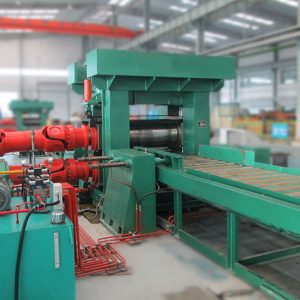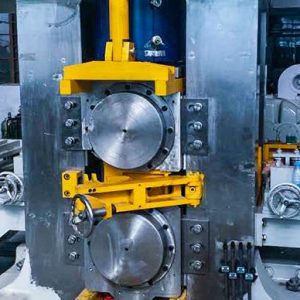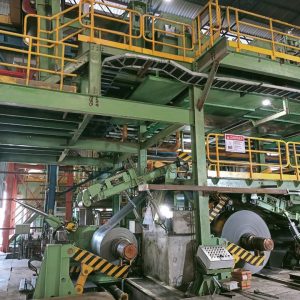

Aluminum foil rolling mill
Brand name: HANI
Packing Details : Wooden box with fumigation or Wooden Fram or Steel Frame
Delivery Details: 30~60days or Based on the quantity
Shipping: Sea freight、Land freight、Air freight
HANI focuses on cold rolling mill equipment technology, safeguarding your production.
Product Details
The Aluminum foil rolling mill represents one of the most sophisticated manufacturing solutions in modern metal processing industries. As demand for high-quality aluminum foil continues to surge across diverse sectors including packaging, electronics, construction, and pharmaceuticals, manufacturers require equipment that delivers precision, efficiency, and consistent quality. An advanced Aluminum foil rolling mill system provides exactly these capabilities while optimizing production costs and operational reliability.
Technical Specifications and Configuration
A comprehensive Aluminum foil rolling mill installation comprises multiple integrated systems working in harmony to transform aluminum ingots or strips into ultra-thin foil products. The following specifications represent industry standards for high-performance aluminum foil production facilities:
| Parameter | Specification Range | Notes |
|---|---|---|
| Rolling Material | Pure aluminum and aluminum alloys | 1xxx, 3xxx, 5xxx, 8xxx series |
| Incoming Material Thickness | 6-10mm | From hot rolling or continuous casting |
| Final Product Thickness | 0.006-0.2mm (6-200 microns) | Depending on process configuration |
| Working Roll Diameter | φ280-600mm | Precision ground and polished |
| Backup Roll Diameter | φ600-1500mm | High rigidity design |
| Rolling Speed | Up to 1500 m/min | Variable speed control |
| Coil Weight Capacity | Up to 30,000 kg | For roughing stands |
| Maximum Width | 2300mm | Depending on model configuration |
Core Components of an Aluminum Foil Rolling Mill System
A modern Aluminum foil rolling mill consists of numerous precision-engineered components working in perfect synchronization. Each element contributes to the overall efficiency and quality of production:
- Mandrel Loading/Unloading System – Automated equipment for efficient coil handling and positioning
- Uncoiler Assembly – Precision tension control for consistent material feeding
- Pinch Roll Assembly – Ensures proper material guidance through the mill
- Main Rolling Stand – The heart of the Aluminum foil rolling mill, featuring work rolls and backup rolls with hydraulic adjustment systems
- Side Trimmer Unit – Precision cutting of strip edges for width control and edge quality
- Scrap Removal System – Efficient collection and processing of trimmed edges
- Hydraulic Shear – For precise cutting operations during threading and coil changes
- Guide Systems – Ensures precise material tracking throughout the production line
- Recoiler Assembly – High-precision winding with automatic tension control
- Exit Side Coil Transport – Automated handling of finished coils
- Belt Wrapper – For proper initial wrapping of new coils to prevent marking
- Coolant System – Temperature-controlled lubrication and cooling system for optimal roll performance
Working Principles and Process Flow
The Aluminum foil rolling mill operates on principles of metal deformation mechanics. As aluminum passes between precisely controlled work rolls, compressive forces reduce material thickness while simultaneously increasing length and width. Modern mills utilize advanced control systems that monitor and adjust multiple parameters in real-time:
- Roll gap positioning (down to micron precision)
- Rolling force measurement and control
- Tension control between stands
- Roll cooling and lubrication management
- Speed synchronization across the production line
- Edge position control for straight running
The material flow in a typical Aluminum foil rolling mill begins with uncoiling of hot-rolled aluminum strip (typically 6-10mm thick). After initial processing through the entry section, the material passes through multiple rolling stands where thickness is progressively reduced. For foil production, a two-stage approach is often employed: roughing passes reduce thickness to approximately 0.2-0.3mm, followed by finishing passes that achieve the final thickness. Between these stages, material often undergoes annealing to restore ductility. The final winding section produces tightly wound coils ready for further processing or shipment.
Advanced Control Systems and Automation
Contemporary Aluminum foil rolling mill installations incorporate sophisticated automation systems that significantly enhance productivity and quality consistency. These systems feature:
- PLC-based control architecture with redundant systems for maximum uptime
- HMI interfaces with intuitive touch-screen operation and visualization
- Real-time thickness measurement using X-ray or beta-ray gauges with closed-loop control
- Automatic flatness control systems employing segmented cooling or roll bending mechanisms
- Material tracking systems that monitor each coil throughout the production process
- Energy management systems optimizing power consumption based on production requirements
- Predictive maintenance algorithms that monitor equipment health and schedule service activities
The integration of these technologies transforms the Aluminum foil rolling mill from a simple forming machine into an intelligent manufacturing system capable of autonomous operation with minimal human intervention. Data collection and analysis capabilities enable continuous process optimization and quality improvement.
Applications and Market Requirements
The versatility of aluminum foil produced by modern Aluminum foil rolling mill systems enables applications across numerous industries:
- Food Packaging – Barrier properties, heat sealability, and printability for flexible packaging
- Pharmaceutical Packaging – Sterile barrier protection and moisture resistance
- Electronics – Capacitors, shielding materials, and heat dissipation components
- Building Materials – Thermal insulation, vapor barriers, and decorative applications
- Automotive – Heat exchangers, composite materials, and specialty components
- Household Products – Cooking and storage solutions with varying thickness requirements
Each application demands specific foil characteristics including thickness tolerance, surface finish, mechanical properties, and cleanness. Advanced Aluminum foil rolling mill systems are engineered to meet these diverse requirements through precise process control and specialized finishing technologies.
Energy Efficiency and Environmental Considerations
Modern Aluminum foil rolling mill designs incorporate numerous energy-saving features that significantly reduce operational costs and environmental impact:
- High-efficiency motor drives with regenerative braking capabilities
- Optimized lubrication systems with minimal oil mist emissions
- Heat recovery systems capturing waste thermal energy
- Advanced filtration systems for coolant management and reuse
- Noise reduction engineering meeting strict industrial standards
- Material yield optimization algorithms minimizing scrap generation
These sustainable design principles make contemporary Aluminum foil rolling mill installations compliant with global environmental regulations while providing operational cost advantages through reduced resource consumption. The industry continues to advance toward even greater sustainability through innovations in materials science and process engineering.
Frequently Asked Questions
Q: What is the typical production capacity of an Aluminum foil rolling mill?
A: Production capacity varies significantly based on mill configuration, width, and speed. A modern four-high Aluminum foil rolling mill with 1850mm width capability can produce approximately 20,000-30,000 tons annually for household foil applications. High-speed installations with widths exceeding 2000mm can achieve capacities of 50,000+ tons per year.
Q: What thickness range can be achieved with a single Aluminum foil rolling mill installation?
A: Modern Aluminum foil rolling mill systems can process material from initial thickness of 6-10mm down to final foil thickness of 0.006mm (6 microns). However, achieving the thinnest gauges typically requires multiple processing stages including intermediate annealing. Most installations are optimized for specific product ranges to maximize efficiency and quality.
Q: How important is roll quality in an Aluminum foil rolling mill?
A: Roll quality is absolutely critical in Aluminum foil rolling mill operations. Work rolls must maintain precise geometry and surface finish throughout their service life. Modern mills utilize high-chromium forged steel or specialized composite materials for rolls, with surface finishes polished to Ra 0.025 microns or better for foil production. Roll thermal management systems maintain consistent roll crown despite varying production loads.
Q: What maintenance requirements exist for an Aluminum foil rolling mill?
A: Preventive maintenance schedules typically include daily checks of hydraulic systems and coolant quality, weekly inspections of roll surfaces and bearing temperatures, and monthly comprehensive system evaluations. Major rebuilds of rolling stands are generally required every 3-5 years depending on production intensity. HANI provides comprehensive maintenance protocols specifically designed for high-efficiency Aluminum foil rolling mill operations that maximize equipment lifecycle value.
Q: How does automation impact the efficiency of an Aluminum foil rolling mill?
A: Advanced automation in Aluminum foil rolling mill installations typically delivers 15-25% productivity improvements through reduced setup times, optimized process parameters, and minimized human error. Automated coil handling systems can reduce threading time by up to 70% compared to manual operations. Additionally, predictive quality control systems prevent production of off-specification material, improving yield by 3-8% depending on product complexity.
Comparative Analysis: Four-High vs. Six-High Mill Configurations
When selecting an Aluminum foil rolling mill, manufacturers must consider various configuration options that impact performance capabilities, operational costs, and product quality:
| Feature | Four-High Mill | Six-High Mill (HC Mill) |
|---|---|---|
| Configuration | 2 work rolls + 2 backup rolls | 2 work rolls + 2 intermediate rolls + 2 backup rolls |
| Thickness Range | 0.1-3.0mm | 0.006-2.0mm (better for ultra-thin foil) |
| Flatness Control | Limited mechanical adjustment | Superior control via intermediate roll shifting |
| Roll Wear | Higher work roll wear rate | Reduced work roll wear due to support |
| Investment Cost | Lower initial investment | 15-25% higher initial investment |
| Operational Flexibility | Limited to medium-thickness products | Superior for diverse product portfolio |
| Energy Consumption | Higher per ton for thin gauge products | Lower per ton for thin gauge products |
This comparison demonstrates why many manufacturers transitioning to high-value foil production are increasingly selecting six-high mill configurations despite higher initial investment. The operational advantages in terms of quality consistency, product range flexibility, and total cost of ownership often justify the additional capital expenditure for an Aluminum foil rolling mill installation.
Future Developments in Aluminum Foil Rolling Technology
The evolution of Aluminum foil rolling mill technology continues at a rapid pace, driven by market demands for higher quality, greater efficiency, and expanded capabilities:
- Intelligent Process Control – AI-driven optimization systems that continuously improve quality and efficiency
- Advanced Materials for Rolls – Ceramic-composite work rolls offering dramatically extended service life
- Digital Twin Technology – Virtual mill models enabling predictive maintenance and process simulation
- Hybrid Rolling Configurations – Combining different rolling principles in single installations
- Zero-Defect Manufacturing – 100% inline surface inspection with automatic defect mapping and removal
These innovations represent the next generation of Aluminum foil rolling mill capabilities that will further enhance production economics while expanding the boundaries of what’s possible in aluminum foil manufacturing. Manufacturers investing in forward-looking technologies today position themselves for sustainable competitive advantage in tomorrow’s market.
Conclusion
The Aluminum foil rolling mill stands as a cornerstone technology in modern aluminum manufacturing. Its sophisticated engineering, precise control systems, and continuous technological advancement enable the production of high-quality aluminum foil that meets increasingly demanding market requirements. From food packaging to advanced electronics applications, the versatility of aluminum foil continues to drive innovation in mill design and capabilities.
Selecting the right Aluminum foil rolling mill configuration requires careful analysis of production requirements, product specifications, and long-term business strategy. Factors such as desired capacity, product thickness range, quality standards, and total cost of ownership must all be evaluated to determine the optimal solution for specific manufacturing needs.
As global demand for sustainable packaging solutions continues to grow, the role of efficient, high-capacity Aluminum foil rolling mill installations becomes increasingly significant. These systems not only enable the production of material that itself is infinitely recyclable but also do so with continuously improving energy efficiency and resource utilization.
Manufacturers seeking to enhance their production capabilities should partner with experienced equipment providers who understand not just mill mechanics but the complete production ecosystem. HANI offers comprehensive solutions that integrate cutting-edge Aluminum foil rolling mill technology with intelligent automation and sustainable design principles.
The future of aluminum foil production lies in increasingly intelligent, flexible, and efficient Aluminum foil rolling mill systems that can adapt to changing market demands while maintaining exceptional quality standards. Through continued innovation and engineering excellence, these systems will remain vital to global manufacturing for decades to come.
HANI is one of China’s leading professional cold rolling mill manufacturers, providing complete cold rolling systems to steel companies worldwide. HANI focuses on designing and manufacturing integrated cold rolling solutions that meet the industry’s highest standards of precision, efficiency, and durability. Our engineering expertise lies in providing turnkey cold rolling production lines to optimize the performance of modern steel manufacturing plants.