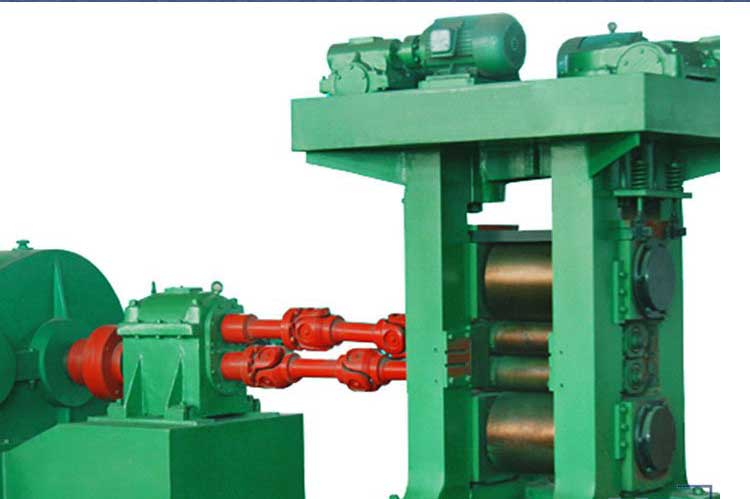
Preparations for online purchasing of cold rolling mills and how to correctly understand specifications
Buying a cold rolling mill online can save time and open access to more suppliers, but it also requires careful planning and technical understanding. This guide walks you through everything you need to know before placing an order — from checking specs to avoiding common mistakes.
Why buying a cold rolling mill online is different
Unlike small machinery or tools, a cold rolling mill is a heavy-duty industrial system that shapes metal at room temperature. It’s not something you can return easily if it doesn’t fit your production line. That’s why preparation matters — especially when buying remotely.
Many buyers assume all cold rolling mills are the same. But in reality, even small differences in roll diameter, motor power, or frame stiffness can affect output quality and maintenance frequency. The key is knowing what to look for before clicking “buy.”
What exactly is a cold rolling mill?
A cold rolling mill uses high-pressure rolls to reduce the thickness of metal strips or sheets without heating them. This process increases strength and improves surface finish compared to hot-rolled products. Common materials processed include carbon steel, stainless steel, aluminum, and copper alloys.
The main advantage? You get tighter tolerances (as tight as ±0.01 mm), better dimensional accuracy, and smoother surfaces — ideal for automotive parts, appliances, and precision components.
Cold rolling vs. hot rolling: Know the difference
It’s easy to confuse these two processes, but they serve very different purposes:
If your end product needs a polished look or precise thickness control, cold rolling is almost always the right choice.
Key specifications to check before buying online
When browsing listings, don’t just focus on price. Here are the most important technical details you should verify with every supplier:
- Max Input Thickness: What’s the thickest material the mill can accept? For example, 6mm for mild steel.
- Min Output Thickness: Can it achieve your required final gauge? Some go down to 0.1mm.
- Roll Diameter: Larger rolls handle higher forces and last longer. Typical range: 200–500mm.
- Roll Width: Must match your strip width. Common widths: 800mm, 1000mm, 1250mm, 1600mm.
- Motor Power: Ranges from 30kW for light-duty mills up to 300kW+ for heavy applications.
- Reduction per Pass: How much thickness can be reduced in one pass? Usually 0.5–2mm depending on material.
- Speed Range: Adjustable speed helps optimize output. Look for variable frequency drives (VFD).
- Framing Type: Two-high, four-high, or cluster (Z-mill) designs affect precision and load distribution.
- Automation Level: Manual, semi-automatic, or full PLC control with HMI interface.
- Cooling System: Essential for long runs to prevent roll overheating and maintain consistency.
Always ask for a detailed specification sheet. If the seller won’t provide one, that’s a red flag.
Real-world cold rolling mill parameters (reference data)
Below is a sample spec table based on actual mid-range cold rolling systems used in metal processing plants. Use this as a benchmark when comparing quotes.
| Parameter | Value / Range | Notes |
|---|---|---|
| Material Type | Carbon Steel, Stainless Steel, Aluminum | Confirm compatibility |
| Input Thickness | 2.0 – 6.0 mm | Depends on yield strength |
| Output Thickness | 0.3 – 2.0 mm | Adjustable via gap control |
| Strip Width | Up to 1250 mm | Custom widths available |
| Roll Diameter (Work Rolls) | 320 mm | Hardened alloy steel |
| Backup Rolls | 500 mm | Four-high configuration |
| Main Motor Power | 110 kW | AC motor with VFD |
| Roll Speed | 0–120 m/min | Variable speed control |
| Total Reduction Capacity | Up to 90% | Multi-pass operation |
| Cooling System | Oil-water spray cooling | Ensures roll longevity |
| Control System | PLC + Touchscreen HMI | Stores rolling recipes |
| Machine Weight | ~8,500 kg | Foundation must support load |
This setup is suitable for medium-volume production of cold-rolled coils used in fabrication shops or component manufacturing. Always confirm whether the quoted machine includes uncoilers, recoilers, and guiding systems — many don’t.
Common customization options (and what they mean for cost)
Most cold rolling mills sold online are modular systems. You can often customize features based on your budget and production goals.
| Option | Impact on Performance | Cost Increase |
|---|---|---|
| Wider Roll Gap (e.g., 1600mm vs 1250mm) | Handles wider strips; needs stronger frame | +18% to +25% |
| Hard Chrome Plated Rolls | Better wear resistance, smoother finish | +12% |
| Full Automation (Auto-thickness control) | Reduces operator error, consistent output | +30% to +40% |
| Integrated Uncoiler & Recoiler | Enables continuous operation | +20% to +28% |
| High-Precision Measurement Sensors | Real-time thickness monitoring (laser or X-ray) | +15% |
Custom orders usually take 8–14 weeks to build and test. Make sure the supplier provides photos or videos during assembly. Never pay full amount upfront — use milestone payments tied to progress.
How to evaluate a supplier online (without visiting in person)
You can’t walk into a factory overseas, so here’s how to judge credibility from a distance:
- Ask for video walkthroughs: A real manufacturer will show the machine running, not just static images.
- Request client references: Contact past buyers who purchased similar models. Ask about delivery, installation, and after-sales support.
- Check certifications: ISO 9001, CE marking, and third-party inspection reports add trust.
- Review warranty terms: At least 12 months on core components like motors and rolls is standard.
- Look for spare parts availability: Get a list of common wear items (bearings, seals, drive belts) and their prices.
Be cautious of sellers offering “too good to be true” pricing. Extremely low-cost mills often cut corners on roll hardness, frame rigidity, or electrical safety.
Installation and site requirements you must plan for
Even if the machine arrives safely, poor planning can delay startup by weeks. Consider these factors early:
- Floor Load Capacity: Cold rolling mills are heavy. Ensure your floor can support 8–15 tons per unit. Reinforced concrete is recommended.
- Power Supply: Most require 3-phase 380V/415V electricity. Confirm voltage stability — fluctuations damage motors.
- Clearance Space: Allow at least 1.5 meters around the machine for maintenance and coil handling.
- Ventilation & Cooling: Heat builds up during operation. Install exhaust fans or air conditioning near the motor and gearbox.
- Noise Levels: Operating noise can reach 80–85 dB. Hearing protection may be needed in enclosed spaces.
Also, make sure you have trained personnel ready. Misalignment during setup can cause uneven rolling and premature roll wear.
Maintenance tips to extend machine life
A well-maintained cold rolling mill can run reliably for over 10 years. Follow these practices:
- Lubricate daily: Apply grease to roll bearings and gearboxes as specified in the manual.
- Clean rolls weekly: Remove built-up oil residue and metal particles using lint-free cloths and approved cleaners.
- Inspect alignment monthly: Use dial indicators to check parallelism between work rolls. Misalignment causes edge thinning.
- Monitor vibration: Sudden shaking indicates bearing wear or imbalance — stop operation immediately.
- Replace worn parts promptly: Don’t wait until failure. Keep spares for critical items like coupling bolts and encoder sensors.
Keep a logbook tracking operating hours, maintenance dates, and any adjustments made. This helps diagnose recurring issues and supports warranty claims.
Final checklist before confirming purchase
Before sending payment, go through this list to avoid costly mistakes:
- ✅ Verified exact model number and full technical specs
- ✅ Confirmed input/output thickness range matches your needs
- ✅ Checked roll width and material compatibility
- ✅ Reviewed motor power and speed settings
- ✅ Discussed automation level and control interface
- ✅ Agreed on delivery timeline and shipping method (FOB, CIF, etc.)
- ✅ Confirmed inclusion of uncoiler, recoiler, and guides
- ✅ Received wiring diagrams and operation manual sample
- ✅ Set up partial payment schedule with milestones
- ✅ Obtained warranty document and service contact info
Taking time now saves headaches later. A cold rolling mill is a long-term investment — treat it like one.
Wrapping up: Smart buying starts with knowledge
Purchasing a cold rolling mill online doesn’t have to be risky. With clear requirements, proper research, and attention to detail, you can find a reliable machine that fits both your technical needs and budget.
Remember: the cheapest option isn’t always the best value. Focus on durability, precision, and support. A slightly more expensive mill with better build quality will outperform a bargain unit over time.
Use this guide as your reference when talking to suppliers. Ask questions, demand documentation, and never rush the decision. Your production line depends on it.