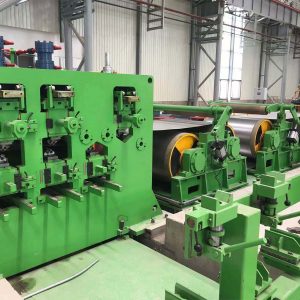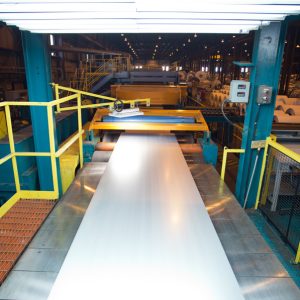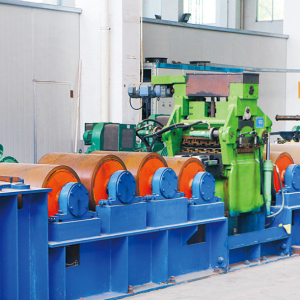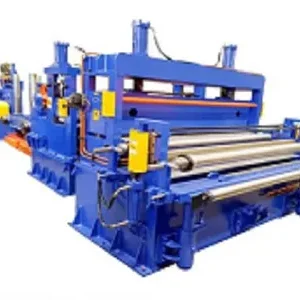

Tension Levelling Unit
Brand name: HANI
Packing Details : Wooden box with fumigation or Wooden Fram or Steel Frame
Delivery Details: 30~60days or Based on the quantity
Shipping: Sea freight、Land freight、Air freight
HANI focuses on cold rolling mill equipment technology, safeguarding your production.
Product Details
Introduction to Tension Levelling
Tension levelling is a critical process in the metalworking industry, particularly for the treatment of flat materials such as steel and aluminum. The primary purpose of tension levelling is to eliminate residual stresses and improve the flatness of the material, which is crucial for subsequent processing stages such as coating, welding, and forming. In this comprehensive product introduction, we will delve into the intricacies of tension levelling units, their operational principles, applications, and the benefits they offer to manufacturers.
What is a Tension Levelling Unit?
A tension levelling unit is a specialized piece of equipment designed to process metal strips by applying controlled tension to achieve a desired level of flatness. The process involves passing the metal strip through a series of rollers while maintaining a specific tension, which counteracts the internal stresses in the material. This results in a more uniform thickness and improved surface quality.
Key Features of Tension Levelling Units
-
High Precision Control: Tension levelling units are equipped with advanced control systems that allow for precise adjustments of tension and roller alignment. This ensures consistent results across different batches of material.
-
Robust Construction: Designed to handle the demanding conditions of industrial environments, tension levelling units are built with high-quality materials that ensure durability and longevity.
-
Versatile Applications: These units can process a variety of materials, including hot-rolled, cold-rolled, and coated strips, making them suitable for a wide range of industries.
-
Automated Systems: Many modern tension levelling units come with automated features that enhance operational efficiency, such as automatic tension adjustment and real-time monitoring of material properties.
How Tension Levelling Works
The tension levelling process involves several key steps:
-
Material Entry: The metal strip is fed into the tension levelling unit, where it is initially guided by entry rollers.
-
Tension Application: As the strip passes through the unit, controlled tension is applied. This tension is critical as it helps to elongate any deformed areas of the strip, allowing for a more uniform thickness.
-
Roller Configuration: The rollers are strategically positioned to exert pressure on the material while allowing it to move freely. This configuration is essential for achieving the desired flatness.
-
Material Exit: After processing, the strip exits the unit, now exhibiting improved flatness and reduced residual stresses.
Benefits of Tension Levelling
Tension levelling offers several advantages for manufacturers:
-
Enhanced Product Quality: By improving the flatness and surface quality of metal strips, tension levelling leads to better performance in downstream processes.
-
Reduced Waste: With improved flatness, manufacturers can minimize material waste, thus increasing overall efficiency.
-
Increased Production Speed: Automated tension levelling units can operate at high speeds, allowing for greater throughput and reduced lead times.
-
Versatility: Tension levelling units can accommodate a variety of materials and thicknesses, making them a valuable asset for diverse manufacturing operations.
Applications of Tension Levelling Units
Tension levelling units are utilized in various sectors, including:
-
Automotive Industry: For producing high-quality steel sheets used in car manufacturing.
-
Construction: In the production of flat steel for structural applications.
-
Electrical Appliances: For processing aluminum and steel sheets used in appliance casings.
-
Packaging: In the production of metal sheets for cans and containers.
Technical Specifications
| Feature | Specification |
|---|---|
| Maximum Width | Up to 2000 mm |
| Maximum Thickness | Up to 12 mm |
| Tension Range | 0-20 kN |
| Roller Material | High-strength alloy steel |
| Control System | PLC-based with HMI interface |
| Operating Speed | Up to 200 m/min |
| Power Supply | 380V, 50Hz |
HANI’s Tension Levelling Solutions
HANI is a leading manufacturer of tension levelling units, known for its innovative designs and high-quality products. Our tension levelling solutions are tailored to meet the specific needs of our clients, ensuring optimal performance and reliability. With a focus on advanced technology and customer satisfaction, HANI continues to set the standard in the tension levelling industry.
Frequently Asked Questions (FAQ)
Q1: What materials can be processed with a tension levelling unit?
A1: Tension levelling units can process a variety of materials, including hot-rolled and cold-rolled steel, aluminum, and coated strips.
Q2: How does tension levelling improve flatness?
A2: By applying controlled tension to the material as it passes through rollers, tension levelling helps to elongate deformed areas, resulting in improved flatness and uniform thickness.
Q3: What is the typical cycle time for processing a strip?
A3: The cycle time can vary depending on the material and thickness, but modern tension levelling units can achieve processing speeds of up to 200 m/min.
Q4: Can tension levelling units be integrated into existing production lines?
A4: Yes, tension levelling units can be customized for integration into existing production lines, enhancing overall efficiency.
Q5: What maintenance is required for a tension levelling unit?
A5: Regular maintenance includes checking roller alignment, tension calibration, and lubrication of moving parts to ensure optimal performance.
Conclusion
In conclusion, tension levelling units are an indispensable part of the metal processing industry. Their ability to enhance product quality, reduce waste, and increase production speed makes them a valuable investment for manufacturers. With HANI’s advanced tension levelling solutions, companies can achieve superior results in their production processes. By understanding the intricacies of tension levelling and its applications, manufacturers can better position themselves to meet the demands of the market and improve their operational efficiency.
HANI is one of China’s leading professional cold rolling mill manufacturers, providing complete cold rolling systems to steel companies worldwide. HANI focuses on designing and manufacturing integrated cold rolling solutions that meet the industry’s highest standards of precision, efficiency, and durability. Our engineering expertise lies in providing turnkey cold rolling production lines to optimize the performance of modern steel manufacturing plants.