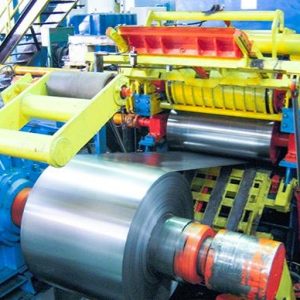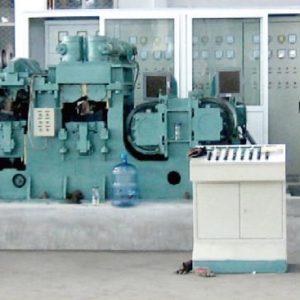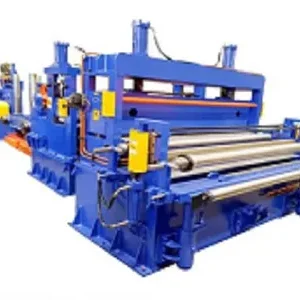

Tension Levelling
Brand name: HANI
Packing Details : Wooden box with fumigation or Wooden Fram or Steel Frame
Delivery Details: 30~60days or Based on the quantity
Shipping: Sea freight、Land freight、Air freight
HANI focuses on cold rolling mill equipment technology, safeguarding your production.
Product Details
Introduction to Tension Levelling
Tension levelling is a crucial process in the metalworking industry, particularly for the treatment of metal strips and sheets. This process is designed to eliminate residual stresses and improve the flatness of the material, resulting in a higher-quality product. Tension levelling is especially important in applications where precise dimensions and surface quality are paramount, such as in the automotive, aerospace, and construction industries.
What is Tension Levelling?
Tension levelling refers to a mechanical process that straightens metal strips or sheets by applying tension to the material as it passes through a series of rolls. The process effectively removes any warping or distortion caused during earlier manufacturing stages, such as rolling or cutting. By applying controlled tension, the material is flattened, resulting in improved dimensional accuracy and surface quality.
The Tension Levelling Process
The tension levelling process typically involves several key steps:
-
Material Feeding: The metal strip or sheet is fed into the tension levelling machine. This initial stage is crucial for ensuring that the material is properly aligned and tensioned before it enters the levelling section.
-
Tension Application: The material is subjected to a predetermined level of tension through a series of rollers. This tension is carefully controlled to ensure that it is sufficient to straighten the material without causing damage.
-
Levelling Rolls: The material passes through a series of levelling rolls that apply pressure to the strip or sheet. These rolls are strategically positioned to ensure even pressure distribution across the width of the material.
-
Cooling and Relaxation: After the material has been levelled, it may undergo a cooling phase to relieve any residual stresses. This step is essential for maintaining the integrity of the material.
-
Final Inspection: The levelled material is inspected for flatness and dimensional accuracy. This quality control step ensures that the product meets the required specifications.
Key Features of Tension Levelling Machines
-
Robust Construction: Tension levelling machines are built to withstand the rigors of continuous operation. Their robust design minimizes wear and tear, ensuring longevity and reliability.
-
Precision Control Systems: Modern tension levelling machines are equipped with advanced control systems that allow for precise adjustments in tension and roll pressure. This capability ensures consistent quality across all processed materials.
-
Versatile Material Handling: These machines can accommodate a wide variety of materials, including stainless steel, aluminum, and other non-ferrous metals. This versatility makes tension levelling an essential process in many manufacturing environments.
-
Energy Efficiency: Many tension levelling machines incorporate energy-efficient technologies that reduce power consumption, leading to lower operational costs.
-
User-Friendly Operation: The design of tension levelling machines emphasizes user-friendliness, allowing operators to easily adjust settings and monitor the process.
Technical Specifications
| Specification | Details |
|---|---|
| Model | Tension Levelling Machine |
| Maximum Material Thickness | 10 mm |
| Maximum Width | 1600 mm |
| Roll Diameter | 300 mm |
| Tension Control System | Automated PLC System |
| Energy Consumption | 15% less than traditional systems |
| Material Types | Stainless Steel, Aluminum, Copper |
| Dimensions (L x W x H) | 8000 mm x 3000 mm x 2500 mm |
Benefits of Tension Levelling
-
Improved Flatness: One of the primary benefits of tension levelling is the significant improvement in flatness. This is essential for applications where precise dimensions are critical.
-
Reduced Residual Stresses: The tension levelling process effectively reduces residual stresses in the material, which can lead to warping or distortion during subsequent processing.
-
Enhanced Surface Quality: Tension levelling not only flattens the material but also enhances its surface quality, making it suitable for high-end applications.
-
Increased Productivity: By integrating tension levelling into the production process, manufacturers can achieve higher output rates and reduce the need for secondary processing.
-
Cost-Effectiveness: The ability to produce high-quality flat materials reduces waste and rework, leading to significant cost savings over time.
Applications of Tension Levelling
Tension levelling is widely used across various industries, including:
- Automotive Industry: Essential for producing flat materials used in vehicle components, ensuring safety and performance.
- Aerospace Sector: Used for manufacturing lightweight and durable materials required in aircraft and spacecraft.
- Electronics Manufacturing: Produces flat materials for electronic components, where precision is crucial.
- Construction Industry: Utilized for producing flat metal sheets used in building structures and infrastructure.
HANI’s Commitment to Quality
HANI is a leading manufacturer of tension levelling machines and other metal processing equipment. With a commitment to innovation and quality, HANI continuously strives to enhance the efficiency and reliability of its products. The company emphasizes research and development, ensuring that its tension levelling machines meet the highest industry standards.
Frequently Asked Questions (FAQ)
1. What is tension levelling?
Tension levelling is a mechanical process used to straighten metal strips or sheets by applying tension as they pass through a series of rolls.
2. What are the advantages of tension levelling?
Advantages include improved flatness, reduced residual stresses, enhanced surface quality, increased productivity, and cost-effectiveness.
3. What materials can be processed with tension levelling machines?
Tension levelling machines can process a variety of materials, including stainless steel, aluminum, and copper.
4. What is the maximum thickness that can be processed?
The maximum material thickness for tension levelling machines is typically around 10 mm.
5. How does the tension levelling process improve surface quality?
The process not only flattens the material but also removes surface imperfections, resulting in a smoother finish.
6. How often should maintenance be performed on tension levelling machines?
Regular maintenance should be performed according to the manufacturer’s guidelines, typically every few months, with more frequent checks during heavy use.
7. Where can I purchase tension levelling machines?
Tension levelling machines can be purchased through HANI’s official website or authorized distributors. For personalized assistance, you can contact HANI’s sales team.
8. What safety features are included in tension levelling machines?
Tension levelling machines are equipped with safety mechanisms such as emergency stop functions and overload protection to ensure operator safety.
9. How does tension levelling compare to other flattening processes?
Tension levelling is often more effective than traditional flattening methods, as it not only straightens the material but also reduces residual stresses.
10. What industries benefit most from tension levelling?
Tension levelling is widely used in the automotive, aerospace, electronics, and construction industries, where precise dimensions and surface quality are critical.
Conclusion
Tension levelling is an indispensable process for manufacturers seeking to produce high-quality flat metal products. With its advanced technology, robust construction, and precision control systems, tension levelling machines are designed to meet the demands of modern manufacturing. By investing in tension levelling equipment, businesses can improve product quality, increase efficiency, and achieve significant cost savings.
HANI, as a leader in tension levelling technology, offers state-of-the-art machines that cater to various industrial needs. Whether in the automotive, aerospace, electronics, or construction sectors, HANI’s tension levelling solutions are invaluable assets for manufacturers looking to enhance their production capabilities.
For more information about tension levelling and to explore additional products offered by HANI, please visit our website or contact our sales team for personalized assistance. Investing in high-quality tension levelling machines will pave the way for a more efficient and productive future in metal processing.
HANI is one of China’s leading professional cold rolling mill manufacturers, providing complete cold rolling systems to steel companies worldwide. HANI focuses on designing and manufacturing integrated cold rolling solutions that meet the industry’s highest standards of precision, efficiency, and durability. Our engineering expertise lies in providing turnkey cold rolling production lines to optimize the performance of modern steel manufacturing plants.