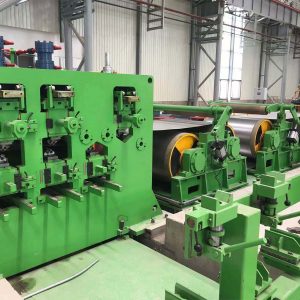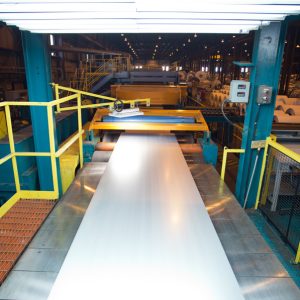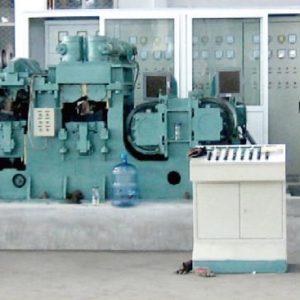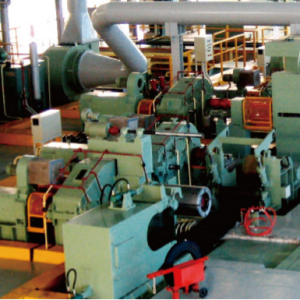

Two-roller tension leveling line (hydraulic AGC)
Brand name: HANI
Packing Details : Wooden box with fumigation or Wooden Fram or Steel Frame
Delivery Details: 30~60days or Based on the quantity
Shipping: Sea freight、Land freight、Air freight
HANI focuses on cold rolling mill equipment technology, safeguarding your production.
Product Details
Advanced Metal Processing Solution for Precision Flatness
In today’s competitive metal processing industry, achieving perfect flatness in metal strips and coils is not just desirable—it’s essential. The two-roller tension leveling line (hydraulic AGC) represents the pinnacle of modern metal processing technology, offering unparalleled precision, efficiency, and reliability for manufacturers worldwide. This comprehensive guide explores the technical intricacies, operational advantages, and industrial applications of this sophisticated tension leveling line system.
Technical Architecture and Operating Principles
The fundamental principle behind a two-roller tension leveling machine involves applying controlled tension and bending stress to metal strips as they pass through the processing line. Unlike conventional leveling systems that rely on multiple rollers, this innovative two-roller configuration with hydraulic AGC (Automatic Gauge Control) delivers superior flatness while minimizing equipment footprint and maintenance requirements.
The hydraulic AGC system continuously monitors material thickness variations and automatically adjusts roller pressure to maintain consistent output specifications. This closed-loop control system utilizes high-precision sensors positioned before, during, and after the leveling process to ensure micron-level accuracy in the final product.
The core components of this advanced tension leveling line include:
- Entry and exit coil handling systems with programmable tension control
- Precision two-roller leveling station with hardened chromium-plated surfaces
- Hydraulic AGC system with response time under 10 milliseconds
- Integrated thickness measurement gauges (X-ray or laser-based)
- Advanced PLC control system with HMI interface
- Edge trimming and scrap winding systems (optional)
- Automatic coil transfer and stacking mechanisms
Material Processing Capabilities
This sophisticated tension leveling machine is engineered to process a wide spectrum of metallic materials with exceptional results:
| Material Type | Thickness Range (mm) | Width Range (mm) | Tensile Strength (MPa) | Flatness Tolerance |
|---|---|---|---|---|
| Carbon Steel | 0.1-3.0 | 200-1500 | ≤1200 | ≤0.15% |
| Stainless Steel | 0.1-2.5 | 200-1300 | ≤1500 | ≤0.1% |
| Aluminum Alloys | 0.1-4.0 | 200-1800 | ≤600 | ≤0.1% |
| Copper Alloys | 0.1-3.5 | 200-1200 | ≤500 | ≤0.08% |
| Titanium Alloys | 0.3-2.0 | 200-800 | ≤1100 | ≤0.12% |
The tension leveling line achieves these remarkable specifications through its proprietary roller geometry design and precise tension control algorithms. By applying calculated bending moments combined with longitudinal tension, the system effectively eliminates common material defects including edge wave, center buckle, twist, and camber.
Engineering Advantages Over Conventional Systems
Manufacturers implementing this advanced tension leveling machine report significant improvements in production efficiency and product quality. The two-roller configuration reduces mechanical complexity while enhancing performance characteristics:
- Reduced maintenance requirements: With fewer moving parts than multi-roll systems, maintenance intervals extend by approximately 40%, reducing downtime and operational costs.
- Energy efficiency: The hydraulic AGC system consumes 30% less energy than conventional electric servo systems while delivering superior response characteristics.
- Material yield improvement: Precise thickness control minimizes material waste, typically improving yield by 2-3% compared to standard leveling equipment.
- Processing speed: Modern two-roller systems achieve processing speeds up to 300 meters/minute while maintaining exceptional flatness specifications.
- Changeover efficiency: Quick-change tooling systems allow operators to switch between different material specifications in under 15 minutes.
The hydraulic AGC system deserves special attention for its contribution to the overall performance of the tension leveling line. Unlike mechanical or pneumatic alternatives, hydraulic control provides instantaneous response to material variations while maintaining consistent pressure profiles across the entire strip width. This capability is particularly valuable when processing high-strength materials that exhibit significant springback characteristics.
Integration Considerations and Production Workflow
Successful implementation of a two-roller tension leveling machine requires careful consideration of several integration factors:
- Power requirements: 380V/415V three-phase power with appropriate harmonic filtering
- Hydraulic system specifications: Cleanliness class NAS 6 or better
- Compressed air supply: 0.6 MPa with proper filtration and drying
- Floor loading capacity: Typically 15-20 kN/m² depending on configuration
- Control system compatibility: Modern systems offer seamless integration with existing plant management software via OPC UA, PROFINET, or EtherNet/IP protocols
When properly integrated into production workflows, this tension leveling line becomes the cornerstone of a high-efficiency metal processing operation. Many manufacturers position this equipment between slitting lines and precision cutting systems to create fully automated production cells capable of lights-out operation.
Industry Applications and Success Stories
The versatility of the two-roller tension leveling machine makes it indispensable across numerous industries:
- Automotive: Processing high-strength steel for structural components requiring exact dimensional stability
- Aerospace: Preparing titanium and nickel alloy strips for critical airframe components
- Electronics: Flattening copper and specialty alloys for connectors and shielding applications
- Appliance Manufacturing: Processing stainless steel and coated materials for visible components
- Construction: Preparing aluminum and steel strips for architectural applications
One European automotive supplier reported a 22% reduction in component rejection rates after implementing this advanced tension leveling line for processing ultra-high-strength steel. Similarly, a major electronics manufacturer achieved 15% faster production speeds while improving flatness specifications by 40% compared to their previous equipment.
Maintenance Protocols and Service Life Expectancy
To maximize the operational lifespan and performance consistency of your tension leveling machine, HANI recommends the following maintenance protocols:
- Daily: Roller surface inspection and cleaning, hydraulic fluid level verification
- Weekly: Sensor calibration verification, mechanical fastener inspection
- Monthly: Hydraulic filter replacement, bearing temperature monitoring
- Quarterly: Complete system calibration, hydraulic fluid analysis and replacement as needed
- Annually: Comprehensive mechanical inspection, control system software updates
With proper maintenance, the core mechanical components of this tension leveling line typically provide 15-20 years of reliable service. The hydraulic system components generally require rebuilding or replacement every 8-10 years depending on operating conditions and maintenance practices.
Frequently Asked Questions
Q: What distinguishes a two-roller tension leveling line from conventional multi-roll leveling systems? A: The two-roller configuration applies controlled tension combined with precise bending moments rather than relying on multiple bending points. This approach delivers superior flatness with reduced mechanical complexity and maintenance requirements.
Q: Can this tension leveling machine handle materials with surface coatings without damaging them? A: Yes, with proper roller surface preparation and tension control parameters, coated materials including galvanized steel, pre-painted metals, and plastic-coated strips can be processed without surface damage.
Q: What is the typical payback period for investing in a new tension leveling line? A: Most manufacturers achieve ROI within 12-18 months through reduced scrap rates, lower maintenance costs, increased production speeds, and improved product quality that commands premium pricing.
Q: How does the hydraulic AGC system compensate for material thickness variations? A: The AGC system utilizes real-time thickness measurements to dynamically adjust roller gap and pressure, maintaining consistent exit thickness regardless of input material variations. Response times under 10 milliseconds ensure even rapidly changing material conditions are accommodated.
Q: Is specialized training required for operators of this tension leveling machine? A: While the control system features intuitive interfaces, we recommend comprehensive operator training covering material setup parameters, emergency procedures, and basic troubleshooting. HANI provides complete training programs with each installation.
Future-Proof Technology Investment
As manufacturing continues to evolve toward Industry 4.0 standards, this two-roller tension leveling line incorporates digital-ready architecture that supports predictive maintenance, remote diagnostics, and integration with production planning systems. The modular design allows for future upgrades to accommodate emerging materials and processing requirements without complete system replacement.
The strategic implementation of this advanced tension leveling machine delivers tangible competitive advantages through consistent quality, reduced operational costs, and enhanced production flexibility. When evaluating metal processing equipment investments, the two-roller configuration with hydraulic AGC represents the optimal balance of proven technology and forward-looking capabilities.
For manufacturers seeking to elevate their production standards and market position, this tension leveling line offers an unmatched combination of precision engineering and operational efficiency. The significant reduction in material waste, energy consumption, and maintenance requirements translates directly to bottom-line improvements while enhancing product quality.
The advanced control systems and mechanical design of this tension leveling machine ensure consistent performance across diverse material types and production volumes. By eliminating traditional leveling defects that compromise downstream manufacturing processes, this equipment delivers value far beyond its initial investment.
When you choose this two-roller tension leveling line with hydraulic AGC technology, you’re investing in proven engineering excellence backed by comprehensive support services. HANI’s commitment to customer success extends beyond equipment delivery to include application engineering support, process optimization consulting, and rapid-response technical service.
Contact our specialists today to schedule a detailed consultation regarding your specific material processing requirements and discover how this advanced tension leveling machine can transform your production capabilities and competitive position in the global marketplace.
HANI is one of China’s leading professional cold rolling mill manufacturers, providing complete cold rolling systems to steel companies worldwide. HANI focuses on designing and manufacturing integrated cold rolling solutions that meet the industry’s highest standards of precision, efficiency, and durability. Our engineering expertise lies in providing turnkey cold rolling production lines to optimize the performance of modern steel manufacturing plants.