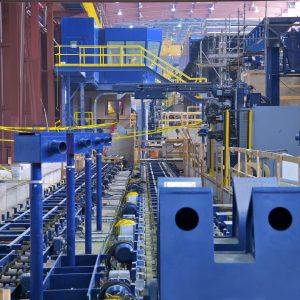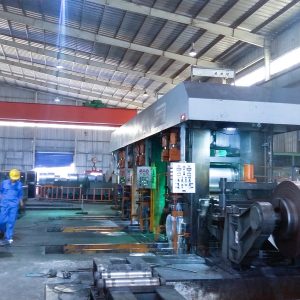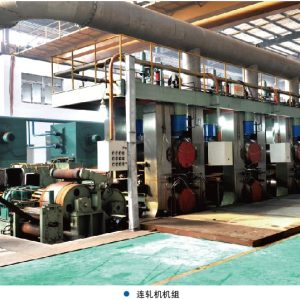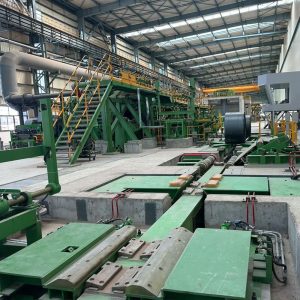

Pickling Line coupled with Tandem Cold Mill
Brand name: HANI
Packing Details : Wooden box with fumigation or Wooden Fram or Steel Frame
Delivery Details: 30~60days or Based on the quantity
Shipping: Sea freight、Land freight、Air freight
HANI focuses on cold rolling mill equipment technology, safeguarding your production.
Product Details
Advanced Integration of Pickling and Cold Rolling Technologies
The modern steel processing industry demands efficient, high-quality production methods that maximize throughput while minimizing operational costs. Our integrated Pickling Line coupled with Tandem Mill represents the pinnacle of engineering excellence in this domain. This sophisticated production line combines the surface preparation capabilities of a state-of-the-art Pickling Line with the precision rolling performance of a five-stand Tandem Mill, creating an unparalleled manufacturing solution for high-quality steel strip production.
Unlike conventional separate installations, our integrated system eliminates intermediate handling, reduces energy consumption, and significantly improves product quality consistency. The seamless transition from pickling to cold rolling preserves the freshly cleaned surface, preventing oxidation and ensuring superior bonding properties for subsequent processing stages. This integrated approach represents a quantum leap forward in steel strip processing technology, offering production advantages that separate systems simply cannot match.
Manufactured to exacting international standards and incorporating proprietary technologies from industry leaders including HANI, this production line delivers exceptional performance across a wide range of steel grades and specifications. The system’s modular design allows for customization to meet specific production requirements while maintaining the core benefits of integration between the Pickling Line and Tandem Mill components.
Technical Specifications and Performance Capabilities
Our integrated Pickling Line and Tandem Mill system is engineered for maximum productivity and versatility. The 950mm production line is designed to process hot-rolled steel strip according to international standards including ASTM, EN, JIS, and GB specifications. The system’s robust design ensures reliable operation under demanding production conditions while maintaining precise control over all critical process parameters.
| Parameter | Specification | Technical Details |
|---|---|---|
| Line Configuration | Five-stand integrated system | F1-F4: Four-high mill stands, F5: Six-high mill stand with intermediate roll shifting |
| Maximum Rolling Force | 9,000 kN | Hydraulic AGC system with response time <20ms |
| Maximum Rolling Speed | 600 m/min | Exit speed at fifth stand with automatic speed control |
| Pickling Line Speed | 140-180 m/min | Variable speed control with automatic concentration monitoring |
| Material Thickness Range | Input: 2.75-4.0mm Output: 0.6-2.0mm |
Maximum reduction ratio: 80% in single pass |
| Material Width Range | 650-830mm | Automatic width detection and alignment system |
| Coil Weight Capacity | Maximum 18 tonnes | Dual coiler configuration with automatic coil transfer system |
| Power Requirements | DC: ~10,115 kW AC: Custom configuration |
Regenerative braking system with energy recovery |
The Tandem Mill section features advanced work roll drive technology that minimizes torque transmission through backup rolls, reducing wear and improving strip flatness. Each stand is equipped with hydraulic automatic gauge control (AGC) systems that maintain precise thickness tolerances of ±3μm across the entire strip width. The unique configuration of our five-stand Tandem Mill—with four-high mills in stands 1-4 and a six-high mill in stand 5—provides exceptional versatility for processing various steel grades while maintaining superior surface quality.
Our Pickling Line employs a multi-stage acid bath system with precise temperature control and automatic acid concentration monitoring. The system incorporates advanced rinsing technology that minimizes water consumption while ensuring complete removal of residual acid from the strip surface. This critical surface preparation stage directly impacts the performance of the subsequent cold rolling process, making the integration between the Pickling Line and Tandem Mill essential for consistent product quality.
Process Flow and Material Handling
The seamless integration between the Pickling Line and Tandem Mill creates a continuous production flow that maximizes efficiency and minimizes handling damage. The process begins with uncoiled hot-rolled strip entering the Pickling Line section, where it undergoes a precisely controlled sequence of surface preparation steps:
Entry Section: The hot-rolled coil is loaded onto the entry payoff reel and fed through a series of pre-cleaning stages. An entry bridle maintains precise tension control while the strip passes through pre-rinse and pre-heating sections that prepare the surface for optimal pickling performance.
Pickling Section: The heart of the Pickling Line consists of multiple acid baths maintained at precisely controlled temperatures and concentrations. Hydrochloric acid solution at 18-22% concentration and 75-85°C temperature effectively removes iron oxide scale without excessive base metal loss. Real-time monitoring systems continuously adjust acid parameters to maintain optimal pickling performance across varying production speeds and material conditions.
Rinsing and Drying: After pickling, the strip passes through multiple counter-flow rinse stages that remove residual acid to less than 5 mg/m². Advanced water reclamation systems minimize fresh water consumption while maintaining rinse quality. The strip then enters high-efficiency hot-air dryers that prepare the completely clean, oxide-free surface for immediate cold rolling.
Tandem Rolling Section: The freshly pickled strip enters the five-stand Tandem Mill where reduction is distributed across multiple stands for optimal energy efficiency and surface quality. Each stand features advanced roll force and roll gap control systems that maintain precise strip profile and flatness. The unique configuration with the six-high mill in the final stand provides exceptional capability for producing ultra-thin, high-quality strip with minimal surface imperfections.
Exit Section: After cold rolling, the strip passes through precision thickness gauges, tension meters, and surface inspection systems. The finished strip is then cut to length by a precision flying shear and wound onto one of two payoff reels in a continuous, uninterrupted process. The dual-reel configuration allows for continuous operation while one reel is being unloaded, maximizing production efficiency.
Technical Note: The integration between the Pickling Line and Tandem Mill is particularly critical for producing high-strength low-alloy (HSLA) steels and specialty alloys. These materials benefit significantly from immediate cold rolling after pickling, as the freshly cleaned surface prevents micro-scale oxidation that can compromise bonding properties for subsequent galvanizing or coating processes. Our system maintains nitrogen-purged transition zones between process sections to prevent any atmospheric contamination of the reactive steel surface.
Materials Processing Capabilities
Our integrated Pickling Line and Tandem Mill system is engineered to process a comprehensive range of steel grades, from standard carbon steels to advanced high-strength alloys. The system’s flexibility allows producers to efficiently switch between different material specifications while maintaining consistent quality standards.
Standard Carbon Steels: The system excels at processing common carbon steel grades including Q195, Q235, Q345B, SS400, and ASTM A36. These materials represent the majority of production volume for many strip processors and require robust, reliable equipment that can maintain tight dimensional tolerances across extended production runs. Our Tandem Mill configuration provides exceptional capability for these materials, with precise tension control between stands ensuring consistent flatness and edge condition.
High-Strength Low-Alloy Steels: Modern automotive and appliance applications increasingly demand higher-strength materials with yield strengths up to 345 MPa. These materials present unique challenges during cold rolling due to work hardening characteristics and higher rolling forces. Our integrated system addresses these challenges through advanced roll force control algorithms and specialized roll surface treatments that minimize edge cracking and surface defects during high-reduction rolling passes.
Specialty Alloys: The system can also process select stainless steel grades and specialty alloys with appropriate roll configurations and process parameter adjustments. While primarily designed for carbon steel applications, the flexibility of our Tandem Mill design allows processors to expand into more specialized markets as customer requirements evolve.
The material handling systems throughout the line are engineered to accommodate the full range of input and output specifications. Entry coil cars with precision centering capabilities safely handle coils weighing up to 18 tonnes with inside diameters of 508mm and outside diameters of 1200-2100mm. The exit section features similar capabilities for finished coils, with automatic weighing and tagging systems that integrate with plant-wide production tracking software.
One of the distinguishing features of our integrated Pickling Line and Tandem Mill system is its ability to maintain consistent surface quality across the entire production range. The immediate transition from pickling to cold rolling prevents the formation of secondary scale that can occur during intermediate handling and storage. This direct processing path is particularly valuable for applications requiring excellent coating adhesion or for materials destined for electrogalvanizing lines where surface purity is critical.
Control Systems and Automation
The integration of advanced automation technologies is essential for maximizing the performance of modern steel processing lines. Our Pickling Line coupled with Tandem Mill incorporates state-of-the-art control systems that provide unprecedented levels of process visibility, operational efficiency, and product consistency.
The system features a multi-level control architecture that includes:
Level 1 – Basic Automation: This level handles real-time control of individual equipment items, including motor drives, hydraulic actuators, and valve positioning. Response times are measured in milliseconds, with critical functions like automatic gauge control operating at cycle times under 10ms to ensure precise thickness control even during rapid speed changes.
Level 2 – Process Automation: This layer coordinates the operation of multiple equipment items to execute complex process sequences. For the Tandem Mill section, this includes roll force distribution algorithms that optimize power consumption and strip flatness across all five stands. In the Pickling Line section, Level 2 systems continuously adjust acid concentration, temperature, and strip speed to maintain optimal pickling performance while minimizing chemical consumption.
Level 3 – Production Planning and Scheduling: This level interfaces with plant-wide manufacturing execution systems (MES) to optimize production sequences, track material flow, and generate comprehensive production reports. The system can automatically adjust process parameters based on material grade, dimensions, and quality requirements specified in the production order.
Technical Innovation: Our integrated control system features advanced mathematical models that predict and compensate for roll thermal expansion and wear during extended production runs. These models continuously adjust roll gap settings to maintain dimensional accuracy without operator intervention. For the Pickling Line section, proprietary algorithms optimize acid regeneration based on real-time measurements of iron content and free acid concentration, reducing chemical consumption by up to 15% compared to conventional control strategies.
The human-machine interface (HMI) provides operators with intuitive visualization of all critical process parameters through high-resolution touchscreens strategically positioned throughout the line. Customizable alarm management systems prioritize critical alerts while filtering routine notifications, reducing operator fatigue and improving response times to genuine process deviations. Remote diagnostic capabilities allow equipment specialists to monitor system performance and troubleshoot issues without being physically present at the installation site.
Our comprehensive data acquisition system captures over 10,000 data points per minute during normal operation, creating a detailed digital record of each production batch. This data enables sophisticated statistical process control (SPC) capabilities that identify subtle trends before they affect product quality. The system can automatically generate quality certificates for each coil produced, including detailed information about dimensional tolerances, surface quality metrics, and process parameters throughout the production cycle.
Energy Efficiency and Environmental Considerations
Modern steel processing facilities face increasing pressure to reduce environmental impact while maintaining economic viability. Our integrated Pickling Line and Tandem Mill system incorporates numerous design features that address both energy consumption and environmental compliance challenges.
Energy Recovery Systems: The high-power DC drives used throughout the line incorporate regenerative capabilities that feed braking energy back into the facility’s power network rather than dissipating it as waste heat. This feature is particularly valuable for the main rolling mill drives and coilers, which experience frequent acceleration and deceleration cycles during normal operation. Energy consumption can be reduced by up to 25% compared to conventional non-regenerative drive systems.
Acid Recovery Technology: The Pickling Line section employs an advanced acid regeneration system that converts spent pickle liquor into reusable acid and iron oxide byproducts. This closed-loop approach reduces fresh acid consumption by approximately 85% while eliminating the need for neutralization and hazardous waste disposal. The recovered iron oxide can be sold to cement manufacturers or pigment producers, creating an additional revenue stream while minimizing environmental impact.
Water Conservation: Multi-stage counter-current rinsing in the Pickling Line section minimizes fresh water requirements while maintaining rinse quality. Advanced membrane filtration systems purify rinse water for reuse, reducing total water consumption by up to 70% compared to conventional rinse systems. The integration with the Tandem Mill eliminates intermediate rinsing requirements that would otherwise be necessary if the processes were separated.
Emission Control: Complete enclosure of the Pickling Line acid tanks with dedicated fume extraction systems prevents atmospheric emissions of acid vapors. The extracted fumes pass through multi-stage scrubbers that neutralize acid aerosols before release to the atmosphere. Continuous emission monitoring systems ensure compliance with even the most stringent environmental regulations worldwide.
These environmental technologies not only address regulatory compliance but also deliver significant operational cost savings. Facilities operating our integrated Pickling Line and Tandem Mill system typically achieve return on investment periods of less than three years when considering the combined savings from reduced energy consumption, lower chemical usage, decreased water requirements, and minimized waste disposal costs.
Frequently Asked Questions
The integrated design offers multiple advantages: 1) Elimination of intermediate coil handling reduces surface damage and production delays; 2) Freshly pickled strip enters the cold mill without re-oxidation, improving surface quality and downstream processing characteristics; 3) Significant energy savings by avoiding repeated heating and cooling cycles; 4) Reduced floor space requirements with optimized material flow; 5) Lower capital investment compared to separate lines with equivalent capacity; 6) Simplified automation and production scheduling. Industry data shows integrated lines achieve 15-20% higher productivity and 25% lower operating costs compared to separate installations.
Our acid regeneration system uses a spray roaster technology that processes spent pickle liquor at high temperatures (approximately 600-800°C). This process separates the solution into gaseous HCl and solid iron oxide particles. The HCl gas is absorbed in water to produce fresh pickling acid at the optimal concentration, while the iron oxide powder is collected as a valuable byproduct. This closed-loop approach reduces fresh acid consumption by 80-85%, eliminates hazardous waste disposal requirements, and generates revenue from iron oxide sales. The system pays for itself in 18-24 months through reduced chemical costs alone, not counting waste disposal savings and environmental compliance benefits.
Our five-stand Tandem Mill system achieves exceptional thickness control through multiple advanced technologies working together. Standard thickness tolerances are ±3μm (0.003mm) for strip widths up to 830mm, which exceeds ASTM and EN standard requirements by a significant margin. For critical applications, we can achieve ±1.5μm with additional process optimization. This precision is maintained through a combination of X-ray thickness gauges with 1kHz sampling rates, hydraulic automatic gauge control systems with millisecond response times, feedforward control algorithms that anticipate incoming thickness variations, and advanced mathematical models that compensate for roll thermal expansion and wear during extended production runs.
The integrated line features continuous operation capabilities through several key technologies. The dual-coiler design at the exit end allows one coil to be removed while the next is being wound, eliminating downtime between coils. For the Pickling Line entry section, an accumulator tower stores approximately 300-400 meters of strip, allowing time for tail end of one coil to be welded to the head end of the next coil without stopping the line. The weld seam passes through both the Pickling Line and Tandem Mill at reduced speed with automatic parameter adjustment to accommodate the thicker weld zone. This continuous operation capability increases production capacity by 25-30% compared to stop-start lines of similar specifications.
Our integrated Pickling Line and Tandem Mill system is designed for maximum reliability with reasonable maintenance requirements. Critical maintenance items include: roll changes in the Tandem Mill section (typically every 100-200 hours depending on material and reduction); acid pump rebuilds in the Pickling Line (every 6-12 months); hydraulic system filter changes and fluid analysis (monthly); and comprehensive annual shutdowns for structural inspections and major component refurbishment. The system includes extensive condition monitoring sensors that predict maintenance needs before failures occur, allowing maintenance to be scheduled during planned production breaks rather than causing emergency downtime. With proper maintenance practices, the system achieves availability rates exceeding 95% in continuous operation environments.
Conclusion: The Future of Steel Strip Processing
The integration of a Pickling Line with a Tandem Mill represents the current state-of-the-art in steel strip processing technology. This configuration delivers unmatched advantages in product quality, production efficiency, and operational cost compared to traditional separate processing lines. As steel producers worldwide face increasing competitive pressure and environmental regulations, the economic and technical benefits of integrated processing become more compelling with each passing year.
Our system, incorporating advanced technologies from industry leaders including HANI, provides steel processors with a future-proof production solution that can adapt to evolving market requirements. The modular design approach allows for incremental upgrades as new technologies emerge, protecting the initial investment while maintaining technological leadership in an increasingly competitive global marketplace.
For steel processors seeking to maximize quality while minimizing operational costs, the integrated Pickling Line and Tandem Mill configuration represents not just an equipment choice but a strategic business decision that positions companies for long-term success in the challenging global steel market. The initial investment is quickly justified through increased production capacity, reduced operating costs, superior product quality, and enhanced environmental compliance capabilities.
As the steel industry continues to evolve toward greater integration and efficiency, facilities equipped with advanced integrated processing lines will maintain competitive advantages that separate installations simply cannot match. The future of steel strip processing is clearly moving toward complete integration of surface preparation and cold reduction processes, and our Pickling Line coupled with Tandem Mill system provides a proven pathway to that future.
HANI is one of China’s leading professional cold rolling mill manufacturers, providing complete cold rolling systems to steel companies worldwide. HANI focuses on designing and manufacturing integrated cold rolling solutions that meet the industry’s highest standards of precision, efficiency, and durability. Our engineering expertise lies in providing turnkey cold rolling production lines to optimize the performance of modern steel manufacturing plants.