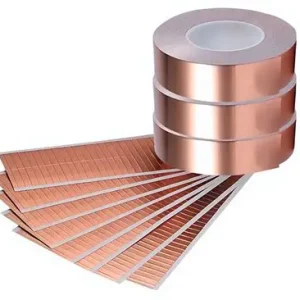

Copper foil Mylar
Brand name: HANI
Packing Details : Wooden box with fumigation or Wooden Fram or Steel Frame
Delivery Details: 30~60days or Based on the quantity
Shipping: Sea freight、Land freight、Air freight
HANI focuses on cold rolling mill equipment technology, safeguarding your production.
Product Details
Precision Cold Rolling Technology Applications in Copper foil Mylar Manufacturing
Copper foil Mylar represents one of the most critical components in modern electronics manufacturing. This specialized composite material combines the superior electrical conductivity of high-purity copper with the mechanical stability and insulation properties of polyester film (Mylar). The resulting Copper foil Mylar product delivers exceptional performance in electromagnetic interference (EMI) shielding applications, flexible printed circuits, and high-frequency communication cables. In this comprehensive article, we explore how advanced cold rolling mill technology has revolutionized the production of premium Copper foil Mylar materials, enabling manufacturers to achieve unprecedented levels of precision, consistency, and performance characteristics.
The Critical Role of Cold Rolling Mills in Copper foil Mylar Production
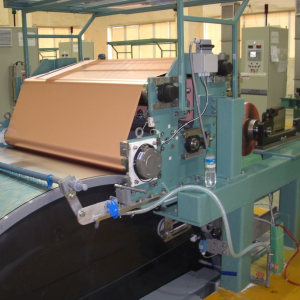
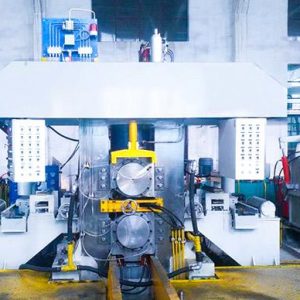
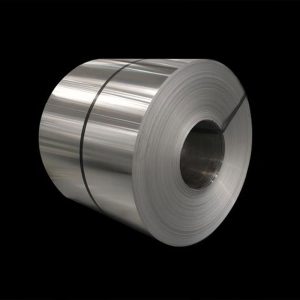
The foundation of high-quality Copper foil Mylar begins with the precision cold rolling process. Modern cold rolling mills represent the heart of copper foil production facilities, transforming thick copper ingots into ultra-thin foils with micron-level accuracy. These sophisticated machines apply progressive reduction through multiple rolling stands, each calibrated to exacting tolerances that directly impact the final properties of the Copper foil Mylar composite.
In the production of Copper foil Mylar, the cold rolling process must achieve several critical objectives simultaneously: precise thickness control (typically between 0.015mm to 0.1mm), consistent mechanical properties across the entire width, optimal surface finish for lamination, and controlled grain structure to enhance flexibility and conductivity. This requires rolling mills equipped with advanced tension control systems, precision roll grinding capabilities, and real-time thickness monitoring technologies.
Technical Specifications of Premium Copper foil Mylar
| Parameter | Standard Value | Test Method |
|---|---|---|
| Total Thickness | 0.03mm ±0.003mm | ASTM D374 |
| Copper Foil Thickness | 0.015mm ±0.0015mm | ASTM B592 |
| Polyester Film Thickness | 0.012mm ±0.001mm | ASTM D374 |
| Tensile Strength | ≥100 MPa | ASTM E8 |
| Elongation at Break | ≥10% | ASTM E8 |
| Bonding Strength | ≥3.0 N/25mm | ASTM D903 |
Metallurgical Science Behind Cold Rolling Copper for Copper foil Mylar
The transformation of copper into foil suitable for Copper foil Mylar production involves sophisticated metallurgical principles. During cold rolling, copper undergoes significant plastic deformation, causing dislocation multiplication and grain refinement. This process increases strength through strain hardening while potentially reducing ductility—a balance that must be carefully managed to achieve optimal properties for flexible applications.
Modern cold rolling mills employed in Copper foil Mylar manufacturing incorporate multi-stage processing with intermediate annealing cycles. These precisely controlled thermal treatments recrystallize the copper structure, reducing internal stresses while maintaining the desired grain size distribution. Research has demonstrated that copper foils with fine, equiaxed grain structures (achieved through optimized rolling and annealing parameters) exhibit superior flexural fatigue resistance—critical for applications in flexible circuits and dynamic cable assemblies.
The surface finish achieved during cold rolling directly impacts the adhesion quality between copper and polyester film in Copper foil Mylar products. Advanced mills utilize specialized roll surface texturing combined with controlled lubrication systems to create optimal micro-roughness profiles that enhance bonding without compromising electrical conductivity or introducing contamination.
Cold Rolling Process Parameters for Premium Copper Foil Production
- Initial Material: Oxygen-free high-conductivity (OFHC) copper, purity ≥99.99%
- Entry Thickness: 3.0-6.0mm cast strip
- Final Thickness Range: 0.015mm to 0.1mm
- Rolling Speed: 10-30 m/min (final passes)
- Number of Rolling Stages: 4-6 stands with intermediate annealing
- Roll Surface Roughness: Ra 0.05-0.15 μm (polished work rolls)
- Thickness Tolerance: ±1.5% of nominal thickness
- Lubricant System: High-purity synthetic oils with filtration to 1μm
Advanced Cold Rolling Technologies in Copper foil Mylar Manufacturing
Leading manufacturers of Copper foil Mylar have invested significantly in next-generation cold rolling technologies. These advanced systems incorporate laser-based thickness gauging with closed-loop control systems that adjust roll gaps in real-time, compensating for thermal expansion and material variations. The resulting thickness consistency—often within ±0.5μm across the entire width—translates directly to superior performance in the final Copper foil Mylar composite.
The integration of Industry 4.0 principles has further enhanced cold rolling capabilities for Copper foil Mylar production. Modern mills feature comprehensive data acquisition systems that monitor hundreds of process parameters simultaneously, enabling predictive maintenance and continuous process optimization. This digital transformation has reduced thickness variation by up to 40% compared to conventional rolling mills, directly improving the signal integrity performance of Copper foil Mylar in high-frequency applications.
One notable advancement comes from HANI’s innovative rolling mill designs, which incorporate asymmetric roll configurations that induce controlled shear deformation throughout the copper cross-section. This technology produces copper foil with enhanced through-thickness homogeneity, eliminating the microstructural gradients that can cause delamination issues in conventional Copper foil Mylar products under thermal cycling conditions.
Lamination Process: Creating the Copper foil Mylar Composite
Following cold rolling and surface treatment, the copper foil undergoes lamination with polyester film to create the final Copper foil Mylar product. This critical process requires precise control of temperature, pressure, and dwell time to ensure optimal adhesive bonding without introducing thermal stresses that could compromise dimensional stability.
Advanced lamination systems employ multi-zone heating with infrared temperature monitoring to maintain the adhesive at its ideal activation temperature (typically 120-150°C for acrylic-based systems). The bonding pressure—carefully balanced between 0.3-0.5 MPa—must be sufficient to ensure intimate contact between all layers while avoiding copper foil deformation that could alter electrical properties.
Quality control for Copper foil Mylar extends beyond basic bonding strength measurements. Leading manufacturers implement micro-section analysis to verify interfacial integrity, coupled with accelerated aging tests that simulate years of service life in controlled environmental chambers. These rigorous validation protocols ensure that the Copper foil Mylar maintains its shielding effectiveness and mechanical integrity throughout its operational lifetime.
Applications and Performance Requirements of Copper foil Mylar
| Application Sector | Key Requirements | Critical Parameters |
|---|---|---|
| High-Frequency Communication Cables | Signal integrity, EMI shielding effectiveness | Surface smoothness, bonding strength, conductivity |
| Flexible Printed Circuits | Bendability, thermal stability | Elongation at break, coefficient of thermal expansion |
| Aerospace Wiring Systems | Weight reduction, vibration resistance | Tensile strength, fatigue resistance, flame retardancy |
| Medical Electronics | Biocompatibility, signal fidelity | Surface purity, outgassing characteristics, shielding effectiveness |
Quality Assurance Protocols for Copper foil Mylar Production
Manufacturing premium Copper foil Mylar demands comprehensive quality control systems that monitor critical parameters at every production stage. Leading producers implement statistical process control (SPC) methodologies with real-time data analysis to detect minute process drifts before they affect product quality.
Material traceability represents another critical aspect of quality assurance for Copper foil Mylar. Advanced manufacturers utilize barcode or RFID tracking from raw copper ingot through final inspection, enabling complete lot traceability and rapid root cause analysis when necessary. This level of documentation is particularly valuable for customers in regulated industries such as aerospace, medical devices, and telecommunications infrastructure.
Surface quality inspection has evolved dramatically with automated vision systems that detect micro-scale defects invisible to the human eye. These systems can identify pinholes, inclusions, and thickness variations at production speeds exceeding 20 meters per minute, ensuring that only flawless copper foil progresses to the lamination stage for Copper foil Mylar production.
Frequently Asked Questions About Copper foil Mylar
Q: What distinguishes high-quality Copper foil Mylar from standard alternatives?
A: Premium Copper foil Mylar features superior thickness consistency (±1.5% vs. ±5% in standard products), higher purity copper (≥99.99% vs. 99.9%), and enhanced bonding strength between copper and polyester layers. These improvements directly translate to better signal integrity in high-frequency applications and improved flexural fatigue resistance in dynamic applications.
Q: How does cold rolling affect the electrical properties of copper foil in Copper foil Mylar?
A: Properly controlled cold rolling followed by appropriate annealing actually improves electrical conductivity by creating a favorable grain structure. However, excessive cold work without proper heat treatment can reduce conductivity by up to 5%. Leading manufacturers optimize this balance to maintain conductivity above 98% IACS while achieving required mechanical properties.
Q: What is the expected service life of Copper foil Mylar in demanding applications?
A: When properly installed and protected from environmental extremes, Copper foil Mylar can provide reliable service for 15-20 years in most applications. Accelerated aging tests show minimal degradation in shielding effectiveness after 1,000 hours at 85°C/85% RH conditions. For mission-critical applications, manufacturers often provide extended qualification testing data upon request.
Q: How should Copper foil Mylar be stored to maintain optimal properties?
A: Copper foil Mylar should be stored in climate-controlled environments with temperatures between 15-25°C and relative humidity below 60%. Rolls should remain in their original protective packaging until ready for use, and should never be exposed to direct sunlight or chemical fumes. Proper storage maintains adhesive properties and prevents oxidation of the copper surface.
Future Developments in Copper foil Mylar Technology
The evolution of Copper foil Mylar continues to accelerate as electronics manufacturers demand enhanced performance for next-generation applications. Research initiatives are focusing on nano-engineered copper surfaces that increase bonding strength with polyester films while maintaining electrical conductivity. These advanced interfaces show promise for extending the operational temperature range of Copper foil Mylar products by 25-30°C beyond current limitations.
Sustainability considerations are also driving innovation in Copper foil Mylar production. Leading manufacturers are implementing closed-loop recycling systems that recover copper and polyester materials from production waste streams. These initiatives not only reduce environmental impact but also improve production economics through material recovery. Additionally, water-based adhesive systems are gradually replacing solvent-based alternatives, reducing VOC emissions while maintaining performance characteristics.
The integration of functional additives into the copper matrix represents another frontier in Copper foil Mylar development. Copper alloys with carefully controlled additions of silver or tin demonstrate improved high-temperature performance while maintaining the essential characteristics that make Copper foil Mylar indispensable in modern electronics. These advancements ensure that Copper foil Mylar will continue to serve as a critical material solution for emerging technologies including 5G infrastructure, flexible displays, and wearable electronics.
Manufacturers like HANI are pioneering these innovations, developing next-generation cold rolling technologies that can produce copper foils with thicknesses below 10 microns while maintaining exceptional mechanical properties. These ultra-thin copper foils enable the production of lighter, more flexible Copper foil Mylar composites that meet the demanding requirements of aerospace and medical applications where weight and flexibility are paramount considerations.
The Critical Importance of Copper foil Mylar in Modern Electronics
As electronic devices continue to shrink while increasing in complexity and performance, the role of precision-engineered materials like Copper foil Mylar becomes increasingly vital. From the smartphones in our pockets to the communication infrastructure connecting our world, Copper foil Mylar provides the essential electromagnetic shielding and flexible interconnection capabilities that enable these technological marvels. Investment in advanced cold rolling technology represents not just an improvement in manufacturing capability, but a commitment to enabling the next generation of electronic innovation through superior materials science.
In conclusion, the production of high-performance Copper foil Mylar represents a sophisticated integration of metallurgical science, precision engineering, and materials technology. The cold rolling process serves as the foundation for this critical composite material, determining its fundamental properties and performance capabilities. As electronics continue to evolve toward higher frequencies, greater flexibility, and more demanding environmental conditions, the importance of precision cold rolling technology in Copper foil Mylar production will only increase. Manufacturers who invest in these advanced capabilities will continue to lead the industry in providing the materials necessary for tomorrow’s electronic innovations.
HANI is one of China’s leading professional cold rolling mill manufacturers, providing complete cold rolling systems to steel companies worldwide. HANI focuses on designing and manufacturing integrated cold rolling solutions that meet the industry’s highest standards of precision, efficiency, and durability. Our engineering expertise lies in providing turnkey cold rolling production lines to optimize the performance of modern steel manufacturing plants.