

Cold Rolling Temper Mill
Brand name: HANI
Packing Details : Wooden box with fumigation or Wooden Fram or Steel Frame
Delivery Details: 30~60days or Based on the quantity
Shipping: Sea freight、Land freight、Air freight
HANI focuses on cold rolling mill equipment technology, safeguarding your production.
Product Details
Introduction
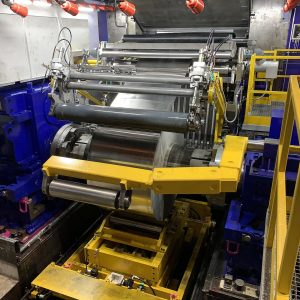
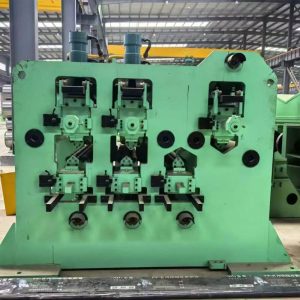
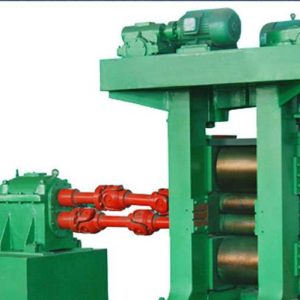
The temper mill is a critical component in modern cold rolling lines, designed to enhance the mechanical properties and surface quality of annealed cold-rolled steel strips. This article delves into the technical specifications, operational advantages, and industrial applications of cold rolling temper mills, with a focus on their dual-series (two-roll and four-roll) configurations.
Key Features and Functionalities
Cold rolling temper mills are engineered to improve steel strip performance through controlled plastic deformation. The primary objectives include:
- Enhanced Mechanical Properties: Increased surface hardness, strength, and elasticity.
- Improved Formability: Optimized deep-drawing capabilities for complex shapes.
- Superior Surface Finish: Smooth, defect-free surfaces with consistent plate shape.
The four-roll series incorporates advanced hydraulic and servo systems, such as:
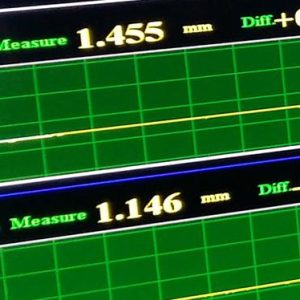
- Hydraulic AGC (Automatic Gauge Control): Precise thickness regulation.
- Roller Line Adjustment: Automated alignment of rolling lines.
- Hydraulic Anti-Bend Systems: Electro-hydraulic servo-controlled work rolls.
- Automatic Threading: Equipped with S-rollers, anti-wrinkle, and anti-jump rollers for seamless operation.
- Computerized Process Control: Supports constant elongation, rolling force, roll gap, and tension modes.
Production Line Workflow
The standardized process flow ensures efficiency and quality:
Uncoiler → Hydraulic Shear → Entry S-Roll → Entry Anti-Wrinkle Roll → Four-Roll Temper Mill → Exit Anti-Wrinkle Roll → Exit S-Roll → Recoiler
Technical Specifications
The temper mill lineup spans multiple models with varying capacities, as detailed below:
| Model | Roll Dimensions | Steel Thickness (mm) | Steel Width (mm) | Screw-Down Method |
|---|---|---|---|---|
| Dual-Series (2-Roll) | φ350×400 | 0.3–1.0 | 250–300 | Electric |
| φ450×550 | 0.2–0.8 | 350–450 | Hydraulic | |
| Four-Roll Series | φ550×650–750 | 0.32–1.0 | 550–650 | Electric |
| φ280/φ580×800–900 | 0.2–0.8 | 700–800 | Hydraulic | |
| φ320/φ650×900–1000 | 0.2–0.8 | 700–900 | Hydraulic | |
| φ330/φ700×1200–1400 | 0.2–0.8 | 1000–1200 | Hydraulic |
Industrial Applications
Temper mills are indispensable in industries requiring high-precision steel products, including:
- Automotive: Body panels, chassis components.
- Construction: Roofing materials, structural beams.
- Electronics: Precision components, enclosures.
- Consumer Goods: Appliances, packaging materials.
Technological Advantages
- Precision Control: Hydraulic AGC and servo systems ensure micro-level thickness accuracy.
- Energy Efficiency: Optimized rolling parameters reduce power consumption.
- Reduced Downtime: Automated threading and diagnostic systems minimize operational interruptions.
- Adaptability: Configurable for diverse steel grades and thickness ranges.
Conclusion
The temper mill stands as a cornerstone of modern steel processing, blending mechanical precision with intelligent control systems to deliver superior product quality. With its dual-series configurations and advanced automation, it caters to the evolving demands of global industries seeking high-performance, formable, and aesthetically flawless steel products. For manufacturers prioritizing efficiency and quality, the cold rolling temper mill remains an irreplaceable asset in the production pipeline.
HANI is one of China’s leading professional cold rolling mill manufacturers, providing complete cold rolling systems to steel companies worldwide. HANI focuses on designing and manufacturing integrated cold rolling solutions that meet the industry’s highest standards of precision, efficiency, and durability. Our engineering expertise lies in providing turnkey cold rolling production lines to optimize the performance of modern steel manufacturing plants.