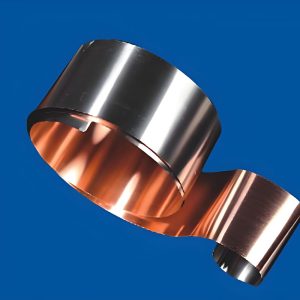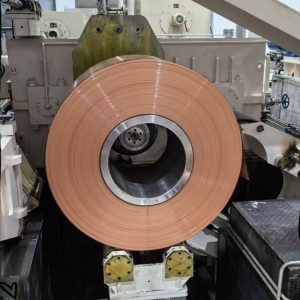

Cold rolling electrical and electronic automation solution
Brand name: HANI
Packing Details : Wooden box with fumigation or Wooden Fram or Steel Frame
Delivery Details: 30~60days or Based on the quantity
Shipping: Sea freight、Land freight、Air freight
HANI focuses on cold rolling mill equipment technology, safeguarding your production.
Product Details
1. Introduction
As the market demand for high-quality and diverse cold-rolled metal products continues to rise, factories need to possess flexible and high-quality production capabilities to meet these new demands. In the field of cold-rolling production, electrical and automation solutions have become a key approach to achieving this goal, with increasingly stringent requirements placed on such solutions. Leveraging years of experience in mechanical design and manufacturing, as well as practical experience from hundreds of cold-rolling projects, HANI has the capability to tailor-make cold-rolling electrical and automation control solutions that meet customer needs.
2. Overview of Cold Rolling Electrical and Automation Solutions
We provide a complete set of solutions for cold-rolling production, encompassing basic automation, motor and drive systems, automated process control, power supply, and other aspects. By selecting top-tier electrical and automation suppliers, we meet a variety of custom cold-rolling production requirements set by customers. The specific solution contents are outlined in the following table:
| Solution Category | Specific Content |
|---|---|
| Basic Automation | Provides basic automation support for cold-rolling production, ensuring the basic operation of the production process. |
| Motor and Drive Systems | Supplies power transmission for cold-rolling equipment, ensuring stable equipment operation. |
| Automated Process Control | Precisely controls the cold-rolling process to improve product quality. |
| Power Supply | Provides a stable and reliable power supply for cold-rolling production. |
3. Basic Electrical System Configuration for Cold Rolling
In cold-rolling production, the configuration of the basic electrical system is of paramount importance. The following is a detailed introduction:
- Cabinet: Utilizes combined GGD-type low-voltage distribution cabinets to provide a safe and reliable power distribution space for the cold-rolling electrical system.
- Control System: Centers around programmable logic controllers (PLCs), commonly using Siemens brand, to achieve precise control over the cold-rolling production process.
- DC Drive System: Employs fully digital DC speed control devices, commonly from German brand Siemens, to meet the DC speed control requirements of cold-rolling equipment.
- AC Drive System: Adopts fully digital variable frequency speed control devices, with common brands including ABB, Siemens, and Emerson, providing efficient AC speed control solutions for cold-rolling equipment.
- HMI (Human-Machine Interface, Touch Screen): Commonly uses Siemens series, facilitating interaction between operators and the cold-rolling electrical system and enabling real-time monitoring of production status.
- Upper-Level Monitoring Computers (Industrial Computers): Commonly uses Advantech series and Siemens, etc., for centralized monitoring and management of various data during the cold-rolling production process.
4. Characteristics of Cold Rolling Systems
- Precise Speed Control: Speed control employs photoelectric encoder measurement feedback, offering high control accuracy and fast dynamic response, ensuring precise control over equipment operating speeds during cold-rolling production.
- Constant Tension Rolling: Achieves constant tension rolling throughout the rolling process, with high control accuracy and excellent tension stability, guaranteeing uniform quality of cold-rolled strip steel.
- Strong Equipment Stability: PLC speed cascade control combined with fully digital DC speed control devices ensures speed accuracy, equipment stability, and reliability of the unit, reducing equipment failures.
- High System Integration: Utilizes PROFIBUS or other fieldbus systems to organically integrate the PLC system with the drive system, reducing inter-device wiring and improving equipment reliability, anti-interference, and control data accuracy.
- Comprehensive Data Recording: Systems equipped with upper-level computer monitoring record signals such as speed, current, thickness, pressure, liquid level, and temperature collected on-site into a server database, providing authentic and effective data and assistance for operation, maintenance, and management, facilitating analysis and optimization of the cold-rolling production process.
- Excellent Thickness Control: Hydraulic press-down units are equipped with an automatic thickness control system (AGC), offering high thickness control accuracy and producing strip steel with good plate shapes, meeting market demands for high-quality cold-rolled strip steel.
- Comprehensive Fault Protection: The system features comprehensive system identification and fault protection functions to reliably execute PLC control system commands for speed and current control of each motor, ensuring cold-rolling production safety.
- Rapid Fault Response: Quickly responds to various system faults, making rapid judgments and corresponding handling actions to minimize the impact of faults on cold-rolling production.
5. Control Functions of Cold Rolling Systems
- Drive Unit Control: Comprehensively manages the power supply, start-stop control, operation, interlock logic, fault detection, and fault handling of each drive unit to ensure the normal operation of the cold-rolling equipment’s drive system.
- Auxiliary Station Control: Responsible for the interlock logic and start-stop control of various hydraulic stations, lubrication stations, cooling stations, and filtration stations, ensuring the stable operation of cold-rolling production auxiliary systems.
- Signal Monitoring and Alarming: Monitors and alarms signals such as liquid level, pressure, and temperature on the unit site to promptly detect abnormalities during the production process.
- Interlock Control: Achieves various interlock controls for different sections of the entire production line under different operating modes, ensuring the smooth progress of the cold-rolling production process.
- Strip Break Protection: Features strip break detection and protection action functions to prevent strip break accidents from damaging equipment and products.
- Stopping Control: Achieves automatic deceleration and accurate stopping, ensuring the safety and stability of cold-rolling equipment during the stopping process.
- Length Measurement: Automatically measures the length of strip steel, providing data support for production statistics and quality control.
- Logic Control: Responsible for the logic control of the unit, coordinating the operating relationships among various equipment.
- Coiler Control: Includes coiler constant tension control and coiler diameter automatic calculation and compensation, ensuring the stability of the coiling process and product quality.
- Thickness Control: For units equipped with hydraulic press-down systems, achieves automatic thickness control (AGC) to improve the thickness accuracy of cold-rolled strip steel.
6. Cold Rolling Hydraulic AGC Automatic Thickness Control System
(1) System Functions
The hydraulic AGC automatic thickness control system is an indispensable technological equipment for modern cold-rolling mills to improve rolling accuracy, featuring the following functions:
- Multiple Control Modes: This system offers hydraulic press-down thickness automatic control (AGC), constant roll gap control (APC), constant rolling pressure control (AFC), thickness monitoring, thickness pre-control, and for thin-gauge products, it can also adopt tension thickness control, meeting different cold-rolling production requirements.
- Convenient Operation: It is reliable, easy to operate, and has complete self-protection functions. It also features a rolling process database. When rolling strip materials of different specifications, simply calling up the corresponding rolling process allows setting the rolling state before each start of rolling, improving production efficiency.
- High Thickness Control Accuracy: After applying this system, the thickness control accuracy of cold-rolled strip steel can reach: 0.15±0.003mm, 0.3±0.006mm (longitudinal thickness deviation), effectively improving the quality of cold-rolled strip steel.
(2) Main Control Functions of the System
- Rolling Mill Operation Functions: Features quick roll lifting and rolling mill calibration functions, facilitating the operation and maintenance of the rolling mill.
- Roll Gap Setting Functions: Offers both manual and automatic roll gap setting functions to meet the needs of different production scenarios.
- Protection and Alarm Functions: Various overload protection and alarm display functions to ensure the safety of equipment and personnel.
- Data Acquisition and Recording Functions: Data acquisition, recording, and display functions for rolling process parameters, providing data basis for production analysis and quality control.
- Fault Recording Functions: Records system fault information, facilitating fault troubleshooting and maintenance.
- Human-Machine Interaction Functions: A good human-machine interface and dialogue function, facilitating interaction between operators and the system.
(3) System Effects
- Eliminating Thickness Deviations: Eliminates thickness deviations caused by watermarks or head-tail temperature differences in the strip steel, as well as thickness deviations caused by loss of tension at the tail of the strip steel, improving the thickness uniformity of cold-rolled strip steel.
- Improving Operation Rate: Reduces roll change and roll gap setting times, improving the operation rate of the rolling mill and reducing production costs.
7. Cold Rolling Harmonic Issues and Solutions
Harmonics generated during cold-rolling production are severe. A large amount of harmonics can lead to rapid insulation degradation of cables (motors), increased losses, reduced motor output efficiency, and decreased transformer capacity. When the waveform distortion of the input power supply due to user harmonics exceeds national limits, electricity tariffs rise and may lead to power supply termination. Sudden power supply stops can also cause unpredictable damage to equipment running in the factory. To solve this problem, we can provide customers with dynamic reactive power compensation harmonic mitigation devices to ensure stable power supply, effectively suppress harmonics in cold-rolling production, safeguard the stable operation of the power system, and reduce the impact of harmonics on cold-rolling equipment and production.
8. Conclusion
The cold-rolling electrical and electronic automation solutions professionally provided by HANI comprehensively cover all aspects of cold-rolling production, from basic electrical system configuration to system characteristics, control functions, hydraulic AGC automatic thickness control systems, and harmonic mitigation solutions. By adopting equipment from top-tier suppliers and advanced technologies, we can meet customer requirements for the production of high-quality cold-rolled metal products, improve the efficiency and quality of cold-rolling production, reduce production costs, and enhance enterprise competitiveness in the market. In the future field of cold-rolling production, we will continuously optimize and improve our solutions to provide customers with even better services.
HANI is one of China’s leading professional cold rolling mill manufacturers, providing complete cold rolling systems to steel companies worldwide. HANI focuses on designing and manufacturing integrated cold rolling solutions that meet the industry’s highest standards of precision, efficiency, and durability. Our engineering expertise lies in providing turnkey cold rolling production lines to optimize the performance of modern steel manufacturing plants.