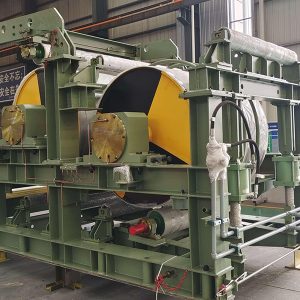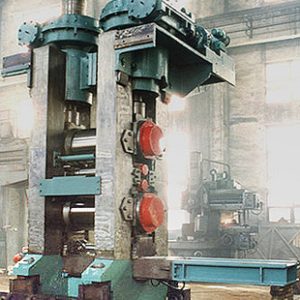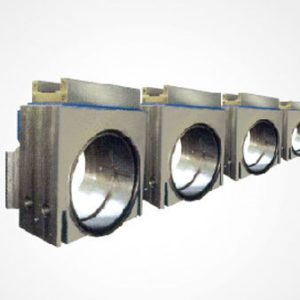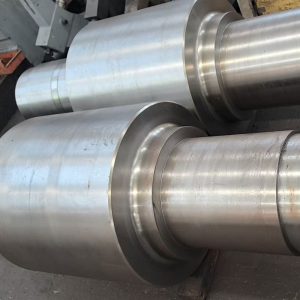

Rolling Mill Lead Screw
Brand name: HANI
Packing Details : Wooden box with fumigation or Wooden Fram or Steel Frame
Delivery Details: 30~60days or Based on the quantity
Shipping: Sea freight、Land freight、Air freight
HANI focuses on cold rolling mill equipment technology, safeguarding your production.
Product Details
In the realm of metal processing, the rolling mill lead screw serves as a fundamental component that significantly influences the efficiency and quality of production. This essential device is designed to facilitate precise adjustments in rolling mills, which are critical in the manufacturing of various metal products. In this comprehensive introduction, we will delve into the features, benefits, technical specifications, applications, and maintenance of rolling mill lead screws, emphasizing their importance in modern manufacturing processes. This document aims to provide valuable insights for manufacturers, engineers, and decision-makers in the industry.
What is a Rolling Mill Lead Screw?
A rolling mill lead screw is a mechanical component that converts rotational motion into linear motion, allowing for precise positioning and movement of the mill stands. This functionality is crucial for achieving consistent thickness and quality in rolled materials. The lead screw operates in conjunction with other components in the rolling mill, such as the gearbox and motor, to ensure smooth and efficient operation.
Key Features of Rolling Mill Lead Screws
-
High Precision Engineering:
- Rolling mill lead screws are manufactured with high precision to minimize backlash, ensuring accurate positioning. This precision is essential for producing high-quality rolled products, as even minor deviations can lead to defects.
-
Robust and Durable Construction:
- Constructed from high-strength alloy steels, these lead screws are designed to withstand the extreme conditions of heavy-duty applications. Their durability ensures long-lasting performance, even in demanding environments.
-
Efficient Performance:
- The design of rolling mill lead screws minimizes friction and wear, resulting in smooth operation. This efficiency not only enhances performance but also contributes to energy savings during the rolling process.
-
Versatile Adaptability:
- Rolling mill lead screws can be tailored to fit various types of rolling mills, including hot and cold rolling applications. This versatility makes them suitable for a wide range of industries.
-
Ease of Maintenance:
- These lead screws are designed for easy maintenance, allowing for quick inspections and repairs. Regular maintenance helps to minimize downtime and maximize productivity.
Technical Specifications
| Specification | Details |
|---|---|
| Material | Alloy Steel |
| Diameter Range | 20 mm to 100 mm |
| Length Range | Up to 5000 mm |
| Thread Type | Acme, Square, or Custom Threads |
| Load Capacity | Up to 10 tons |
| Surface Treatment | Hard Chrome Plating or Coating |
| Precision Class | C5, C7, or Custom |
Applications of Rolling Mill Lead Screws
Rolling mill lead screws find applications across various sectors, including:
-
Metallurgy: In metallurgy, rolling mill lead screws are essential for producing rolled sheets, strips, and bars. Their precision ensures that the final products meet stringent quality standards.
-
Automotive Industry: The automotive sector relies on rolling mill lead screws for manufacturing components that require precise metal forming, such as chassis parts and body panels.
-
Construction Industry: In construction, these lead screws are used to produce structural materials, including beams and reinforcements, which are critical for building safety and integrity.
-
Aerospace Industry: The aerospace industry demands high-strength components that meet rigorous safety standards. Rolling mill lead screws play a vital role in producing these components with the necessary precision and reliability.
Benefits of Using Rolling Mill Lead Screws
-
Enhanced Product Quality:
- The precision of rolling mill lead screws ensures consistent thickness and quality in rolled products, reducing the likelihood of defects and the need for rework.
-
Increased Efficiency:
- By facilitating smooth and accurate adjustments, rolling mill lead screws optimize the rolling process, leading to higher throughput and improved overall efficiency.
-
Cost-Effectiveness:
- Investing in high-quality rolling mill lead screws minimizes maintenance costs and downtime, resulting in significant long-term savings for manufacturers.
-
Flexibility in Production:
- The ability to customize lead screws for specific applications allows manufacturers to adapt quickly to changing production requirements, enhancing their competitiveness in the market.
Maintenance of Rolling Mill Lead Screws
Proper maintenance of rolling mill lead screws is crucial for ensuring their longevity and optimal performance. Here are some best practices:
-
Regular Lubrication: Ensure that the lead screws are adequately lubricated to minimize friction and wear. This practice not only extends the life of the lead screws but also enhances their performance.
-
Periodic Inspections: Conduct regular inspections to check for signs of wear, damage, or misalignment. Early detection of issues can prevent costly repairs and downtime.
-
Cleaning: Keep the lead screws and their surroundings clean to prevent debris from interfering with their operation. This step is essential for maintaining precision and functionality.
-
Alignment Checks: Regularly verify that the lead screws are properly aligned with other components in the rolling mill. Misalignment can lead to increased wear and reduced efficiency.
FAQs About Rolling Mill Lead Screws
Q1: What materials are commonly used for rolling mill lead screws?
A1: Rolling mill lead screws are typically made from high-strength alloy steels. These materials provide the necessary durability and strength to withstand the demands of heavy-duty applications.
Q2: Can rolling mill lead screws be customized for specific applications?
A2: Yes, rolling mill lead screws can be customized based on specific requirements, including different lengths, diameters, and thread types. Customization allows manufacturers to optimize their production processes.
Q3: How do rolling mill lead screws contribute to sustainability?
A3: By ensuring precise adjustments and reducing waste in the rolling process, rolling mill lead screws support sustainable manufacturing practices. This efficiency not only conserves materials but also reduces energy consumption.
Q4: What role does HANI play in the rolling mill lead screw market?
A4: HANI is a leading provider of high-quality rolling mill lead screws, known for their innovative design and reliable performance. With a commitment to customer satisfaction and technological advancement, HANI’s products are trusted by industries worldwide.
Q5: What is the typical lifespan of a rolling mill lead screw?
A5: The lifespan of a rolling mill lead screw can vary based on factors such as material quality, operating conditions, and maintenance practices. However, with proper care, these components can last for many years.
HANI’s Rolling Mill Lead Screws
HANI offers state-of-the-art rolling mill lead screws that exemplify excellence in engineering and design. Their lead screws are manufactured using high-strength materials and advanced manufacturing techniques, ensuring precision and durability. HANI’s commitment to quality and innovation makes their rolling mill lead screws the preferred choice for industries seeking reliable and high-performance components.
Conclusion
The rolling mill lead screw is an essential component in modern metalworking, providing the precision, efficiency, and durability needed to excel in today’s competitive market. Whether you are in metallurgy, automotive, construction, or aerospace, investing in high-quality rolling mill lead screws can significantly enhance your production capabilities. As technology continues to advance, these lead screws offer even greater benefits and opportunities for industries globally.
For more information on rolling mill lead screws and to explore HANI’s offerings, please visit their official website. By choosing HANI’s rolling mill lead screws, you are investing in quality, reliability, and performance that will drive your manufacturing processes to success.
HANI is one of China’s leading professional cold rolling mill manufacturers, providing complete cold rolling systems to steel companies worldwide. HANI focuses on designing and manufacturing integrated cold rolling solutions that meet the industry’s highest standards of precision, efficiency, and durability. Our engineering expertise lies in providing turnkey cold rolling production lines to optimize the performance of modern steel manufacturing plants.