
Four-roll Reversible Mill
Brand name: HANI
Packing Details : Wooden box with fumigation or Wooden Fram or Steel Frame
Delivery Details: 30~60days or Based on the quantity
Shipping: Sea freight、Land freight、Air freight
HANI focuses on cold rolling mill equipment technology, safeguarding your production.
Product Details
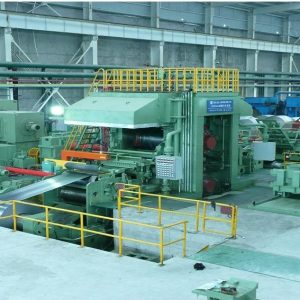
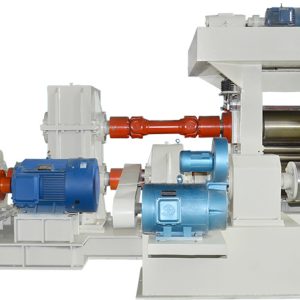
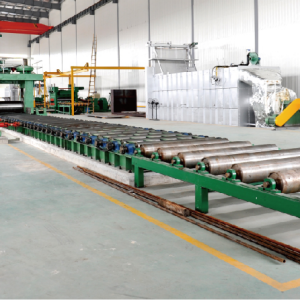
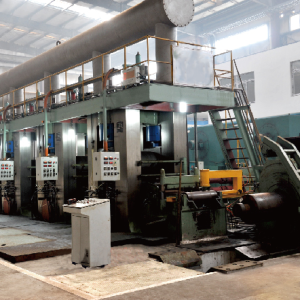
Four-roll Reversible Mill
A four-roll reversible mill, commonly referred to as a reversing mill, is a critical piece of equipment in the metalworking industry. This innovative technology is designed to efficiently reduce the thickness of various metals, providing manufacturers with the ability to produce high-quality materials for a wide range of applications. In this comprehensive guide, we will explore the features, advantages, applications, and operational principles of four-roll reversible mills, with a specific focus on HANI’s offerings in this field.
Understanding Four-roll Reversible Mills
What is a Reversing Mill?
A reversing mill is a type of rolling mill where the metal passes through the rolls in both directions. This design allows for greater flexibility in the rolling process, enabling the production of thinner materials and improving overall efficiency. The four-roll configuration includes two work rolls and two backup rolls, which provide additional support and stability during the rolling process.
Key Components of a Four-roll Reversible Mill
-
Work Rolls: The main rolls that come into contact with the metal. They are responsible for reducing the thickness of the material.
-
Backup Rolls: These rolls support the work rolls and help maintain their position, ensuring consistent pressure and reducing deflection.
-
Frame: The structural component that houses the rolls and provides stability during operation.
-
Drive System: Powers the rolls and allows for the reversal of direction, enabling the metal to be processed in both directions.
-
Hydraulic System: Controls the pressure applied to the rolls, allowing for adjustments based on the thickness and type of material being processed.
Advantages of Four-roll Reversible Mills
-
Increased Efficiency: The ability to reverse the direction of the rolls reduces the need for additional passes, leading to shorter processing times and increased productivity.
-
Better Material Control: The four-roll design provides enhanced control over the thickness and shape of the material, resulting in higher quality products.
-
Versatility: Four-roll reversible mills can handle a variety of materials, including steel, aluminum, and copper, making them suitable for diverse applications.
-
Reduced Energy Consumption: The efficient design of reversing mills allows for lower energy consumption compared to traditional rolling mills, contributing to cost savings and sustainability.
Applications of Four-roll Reversible Mills
Four-roll reversible mills are utilized across various industries due to their versatility and efficiency. Here are some key applications:
1. Steel Production
In the steel industry, four-roll reversible mills play a crucial role in producing hot-rolled and cold-rolled steel sheets and strips. The ability to achieve precise thickness control is essential for meeting the stringent specifications required in construction and manufacturing.
Table 1: Applications in Steel Production
| Application | Description |
|---|---|
| Hot Rolling | Produces steel sheets at high temperatures. |
| Cold Rolling | Creates thinner and more precise steel strips. |
| Surface Finishing | Enhances surface quality for aesthetic purposes. |
2. Aluminum Processing
Aluminum is another material commonly processed using four-roll reversible mills. The lightweight and corrosion-resistant properties of aluminum make it ideal for applications in the automotive and aerospace industries.
Table 2: Applications in Aluminum Processing
| Application | Description |
|---|---|
| Foil Production | Produces thin aluminum foil for packaging. |
| Sheet Production | Creates aluminum sheets for various uses. |
| Extrusion Preparation | Prepares aluminum for extrusion processes. |
3. Copper and Brass Manufacturing
Four-roll reversible mills are also used in the production of copper and brass products. These materials are essential in electrical applications due to their excellent conductivity.
Table 3: Applications in Copper and Brass Manufacturing
| Application | Description |
|---|---|
| Electrical Conductors | Produces wires and cables for electrical applications. |
| Plumbing Fixtures | Creates sheets and strips for plumbing components. |
4. Specialty Alloys
The versatility of four-roll reversible mills allows for the processing of specialty alloys that require precise thickness and surface finish. These alloys are often used in high-performance applications, such as aerospace and medical devices.
Table 4: Applications in Specialty Alloys
| Application | Description |
|---|---|
| Aerospace Components | Produces lightweight and high-strength materials. |
| Medical Devices | Creates components that require biocompatibility. |
The Operational Principles of Four-roll Reversible Mills
Rolling Process
The rolling process in a four-roll reversible mill involves several key steps:
-
Feeding Material: The metal is fed into the mill, where it is positioned between the work rolls.
-
Rolling: The work rolls rotate, applying pressure to the metal and reducing its thickness. The direction of rotation can be reversed to allow for additional passes without repositioning the material.
-
Thickness Control: The hydraulic system adjusts the pressure on the rolls to achieve the desired thickness.
-
Exit and Refeed: After the initial pass, the material exits the mill. If further reduction is needed, the material is repositioned and fed back into the mill for additional processing.
HANI’s Four-roll Reversible Mills
HANI is a leader in the manufacturing of four-roll reversible mills, providing advanced solutions tailored to the needs of the metalworking industry. HANI’s mills are designed for optimal performance, incorporating cutting-edge technology and engineering expertise.
Table 5: HANI’s Four-roll Reversible Mill Specifications
| Feature | Specification |
|---|---|
| Rolling Capacity | Up to 50 tons/hour |
| Thickness Range | 0.1 mm to 25 mm |
| Width Range | Up to 2000 mm |
| Automation Level | Fully automated |
| Control System | Advanced PLC with user-friendly interface |
Benefits of Choosing HANI’s Four-roll Reversible Mills
-
High Quality: HANI’s commitment to quality ensures that each mill is built to withstand the rigors of industrial use while producing high-quality materials.
-
Customization: HANI offers customizable solutions based on specific production requirements, allowing manufacturers to achieve their desired product specifications.
-
Technical Support: HANI provides comprehensive technical support and training to ensure that customers can operate their mills effectively and efficiently.
-
Energy Efficiency: HANI’s mills are designed to minimize energy consumption, contributing to cost savings and environmental sustainability.
FAQ
1. What is a four-roll reversible mill?
A four-roll reversible mill is a type of rolling mill that allows metal to be processed in both directions, increasing efficiency and flexibility in the production of various materials.
2. What are the main advantages of using a reversing mill?
The main advantages include increased efficiency, better material control, versatility in handling different materials, and reduced energy consumption.
3. What materials can be processed using four-roll reversible mills?
Four-roll reversible mills can process a variety of metals, including steel, aluminum, copper, and specialty alloys.
4. How does the rolling process work in a reversing mill?
The rolling process involves feeding the material into the mill, applying pressure through the work rolls, and reversing the direction for additional passes as needed.
5. Why should I choose HANI for my four-roll reversible mill needs?
HANI is a leading manufacturer known for high-quality, customizable solutions and excellent technical support, making it a trusted choice for metalworking industries.
6. What is the typical thickness range for materials processed in a reversing mill?
The typical thickness range for materials processed in a four-roll reversible mill can vary but generally falls between 0.1 mm to 25 mm, depending on the specific application.
7. Can HANI’s mills be automated?
Yes, HANI’s four-roll reversible mills are available with fully automated systems, allowing for efficient operation and reduced labor costs.
8. How should I maintain my four-roll reversible mill?
Regular maintenance is essential for optimal performance. This includes checking hydraulic systems, ensuring proper lubrication, and monitoring the condition of the rolls.
9. What industries benefit from using four-roll reversible mills?
Industries such as steel production, aluminum processing, copper and brass manufacturing, and specialty alloys benefit from the efficiency and precision of four-roll reversible mills.
10. How can I contact HANI for more information about their mills?
For more information about HANI’s four-roll reversible mills, you can visit their official website or contact their sales team directly.
Conclusion
Four-roll reversible mills are a vital component in modern metalworking, offering increased efficiency, versatility, and high-quality output. The ability to process materials in both directions allows manufacturers to produce thinner and more precise products, meeting the demands of various industries.
HANI stands out as a leader in the manufacturing of four-roll reversible mills, providing advanced solutions tailored to the specific needs of the metalworking industry. With a commitment to quality, customization, and customer support, HANI is the preferred choice for manufacturers looking to enhance their production capabilities.
For further inquiries or to request a quote, please visit HANI’s official website or contact their sales team. Investing in HANI’s four-roll reversible mills can lead to improved efficiency, reduced costs, and enhanced product quality in your manufacturing processes.
HANI is one of China’s leading professional cold rolling mill manufacturers, providing complete cold rolling systems to steel companies worldwide. HANI focuses on designing and manufacturing integrated cold rolling solutions that meet the industry’s highest standards of precision, efficiency, and durability. Our engineering expertise lies in providing turnkey cold rolling production lines to optimize the performance of modern steel manufacturing plants.