
2 hi cold rolling mill
Brand name: HANI
Packing Details : Wooden box with fumigation or Wooden Fram or Steel Frame
Delivery Details: 30~60days or Based on the quantity
Shipping: Sea freight、Land freight、Air freight
HANI focuses on cold rolling mill equipment technology, safeguarding your production.
Product Details
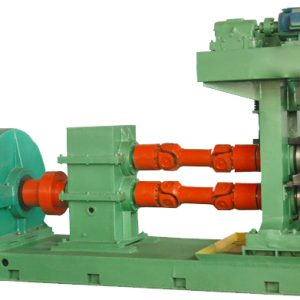
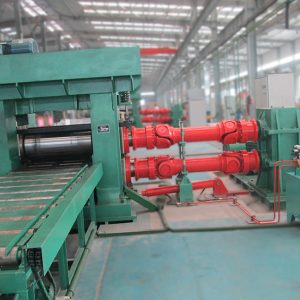
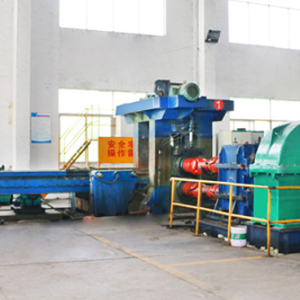
A high-precision 2 hi cold rolling mill represents the pinnacle of metal processing technology for achieving superior surface finishes and precise thickness control in metal strip production. HANI’s engineering team has perfected this essential equipment for modern metalworking facilities worldwide.
Technical Overview of the 2 Hi Cold Rolling Mill
The 2 hi cold rolling mill is a fundamental piece of equipment in the metal processing industry, designed specifically for reducing the thickness of metal strips while improving their mechanical properties and surface quality. Unlike hot rolling processes, cold rolling is performed below the recrystallization temperature of the metal, resulting in work hardening and enhanced strength characteristics.
This versatile 2 hi cold rolling mill configuration consists of two horizontally opposed work rolls that apply pressure to the material passing between them. The simplicity of this design contributes to its reliability and precision, making it ideal for processing a wide range of materials including carbon steel, low-alloy steel, stainless steel, copper, aluminum, and other non-ferrous metals.
Engineering Excellence in Modern 2 Hi Cold Rolling Mill Design
Today’s advanced 2 hi cold rolling mill systems incorporate sophisticated engineering principles that maximize performance while minimizing operational costs. The structural integrity of the mill stand is paramount—constructed from high-grade cast steel with optimal ribbing patterns to distribute stress evenly during operation. This robust construction ensures minimal deflection under load, which directly translates to superior strip flatness and consistent gauge control.
The roll assembly in a premium 2 hi cold rolling mill features precision-ground work rolls made from specialized tool steel alloys with enhanced wear resistance. These rolls undergo rigorous heat treatment processes to achieve the perfect balance between surface hardness and core toughness. Modern mills incorporate quick-change roll mechanisms that significantly reduce downtime during roll changes—a critical factor in maintaining production efficiency.
Technical Specifications
| Model | Roll Diameter (mm) | Roll Body Length (mm) | Max Rolling Force (Ton) | Motor Power (kW) |
|---|---|---|---|---|
| HCR-150 | Φ100-Φ130 | 150-260 | 80 | 45-75 |
| HCR-200 | Φ150-Φ175 | 200-350 | 120 | 90-132 |
| HCR-250 | Φ180-Φ220 | 250-350 | 180 | 160-200 |
| HCR-350 | Φ250-Φ350 | 300-600 | 350 | 250-355 |
| HCR-450 | Φ300-Φ450 | 300-600 | 450 | 400-560 |
Applications of 2 Hi Cold Rolling Mill in Industry
The versatility of the 2 hi cold rolling mill makes it indispensable across numerous industries. In the automotive sector, these mills produce high-strength steel strips for critical components that require precise dimensional tolerances and superior surface quality. The electronics industry relies on 2 hi cold rolling mill technology to create ultra-thin, high-conductivity copper and copper alloy strips for connectors, terminals, and printed circuit boards.
For manufacturers of household appliances, the 2 hi cold rolling mill delivers consistent material properties essential for components that undergo extensive forming processes. The construction industry benefits from precisely rolled stainless steel and aluminum strips used in architectural applications where appearance and corrosion resistance are paramount.
Advanced Control Systems in Modern 2 Hi Cold Rolling Mills
Contemporary 2 hi cold rolling mill installations feature sophisticated digital control systems that monitor and adjust multiple parameters in real-time. These systems incorporate load cells, position sensors, and laser gauge measurement technologies to maintain precise thickness control typically within ±0.005mm tolerance. The integration of industrial computers with specialized rolling software enables operators to store and recall complete rolling recipes for different materials and specifications, dramatically reducing setup times between production runs.
HANI has pioneered the development of intelligent control algorithms that automatically compensate for roll thermal expansion and wear during extended production runs, maintaining consistent product quality without manual intervention. This technological advancement represents a significant leap forward in 2 hi cold rolling mill capabilities, particularly for high-volume production environments.
Operational Advantages of the 2 Hi Configuration
- Superior flatness control through precise roll gap adjustment
- Excellent surface finish quality with minimal defects
- Energy efficiency compared to larger multi-stand configurations
- Flexibility to process a wide range of material thicknesses and widths
- Simplified maintenance requirements with fewer components than complex mill designs
- Cost-effective solution for medium-volume production requirements
Material Processing Capabilities
The 2 hi cold rolling mill excels at processing various materials with distinct metallurgical characteristics. For carbon steel grades, cold rolling increases tensile strength by 20-40% while providing precise thickness control essential for subsequent manufacturing processes. When processing stainless steel, the 2 hi cold rolling mill achieves the perfect balance between work hardening and maintaining corrosion resistance properties.
Non-ferrous applications present unique challenges that modern 2 hi cold rolling mill designs address through specialized roll surface treatments and lubrication systems. Copper alloys benefit from the controlled reduction capabilities of these mills, achieving the exact mechanical properties required for electrical applications while maintaining excellent conductivity. Aluminum processing requires careful control of reduction rates to prevent edge cracking—something today’s advanced 2 hi cold rolling mill systems accomplish through programmable pass schedules and automatic tension control.
Frequently Asked Questions
Q: What is the difference between a 2 hi cold rolling mill and a 4 hi mill configuration?
A: A 2 hi cold rolling mill uses only two work rolls that directly contact the material, while a 4 hi configuration adds two larger backup rolls that support the work rolls. The 2 hi design is simpler, more cost-effective, and ideal for heavier reductions and wider materials. The 4 hi configuration provides superior flatness control for very thin materials but at higher complexity and cost.
Q: What maintenance schedule is recommended for a 2 hi cold rolling mill?
A: Daily maintenance should include roll surface inspection, lubrication system checks, and hydraulic pressure verification. Weekly tasks involve thorough cleaning of roll housings and inspection of drive couplings. Monthly maintenance should include comprehensive alignment checks, bearing temperature monitoring, and calibration of measuring systems. With proper maintenance, a quality 2 hi cold rolling mill can operate reliably for 15-20 years.
Q: Can a 2 hi cold rolling mill process both ferrous and non-ferrous materials?
A: Yes, modern 2 hi cold rolling mills can process both material categories, but require appropriate roll materials and surface finishes. For ferrous materials, chrome-plated or tungsten carbide rolls are typically used. For non-ferrous applications like copper or aluminum, polished tool steel rolls with specialized coatings prevent material pickup and ensure excellent surface quality. Roll changes and cleaning protocols between material types are essential to prevent cross-contamination.
Q: What thickness tolerances can be achieved with a modern 2 hi cold rolling mill?
A: With advanced AGC (Automatic Gauge Control) systems, modern 2 hi cold rolling mills can achieve thickness tolerances of ±0.005mm on materials 0.5mm thick or greater. For thicker materials, tolerances typically range from ±0.01mm to ±0.03mm depending on width and material properties. These precision capabilities make the 2 hi cold rolling mill suitable for demanding applications in aerospace, electronics, and precision engineering sectors.
Conclusion
The 2 hi cold rolling mill remains a cornerstone technology in metal processing facilities worldwide, offering an optimal balance of precision, versatility, and cost-effectiveness. As material science advances and industry demands evolve, manufacturers like HANI continue to refine this essential equipment with innovations in control systems, roll technology, and structural design.
For operations requiring reliable, high-quality metal strip production with excellent thickness control and surface finish, the 2 hi cold rolling mill represents a proven solution with decades of engineering refinement behind it. Its straightforward design philosophy—combined with modern technological enhancements—ensures this configuration will remain relevant for generations of metal processors to come.
When selecting a 2 hi cold rolling mill for your facility, consider not just current production requirements but future expansion possibilities. The right equipment partner will provide not just machinery but comprehensive technical support, training, and upgrade pathways to ensure your investment delivers maximum value throughout its operational lifecycle. The 2 hi cold rolling mill continues to prove its worth as an essential asset for metal processors worldwide, delivering consistent quality while adapting to the ever-evolving demands of modern manufacturing.
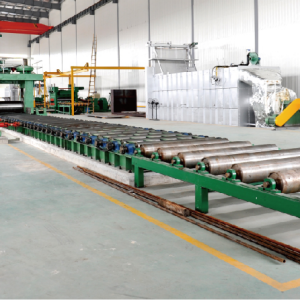
HANI is one of China’s leading professional cold rolling mill manufacturers, providing complete cold rolling systems to steel companies worldwide. HANI focuses on designing and manufacturing integrated cold rolling solutions that meet the industry’s highest standards of precision, efficiency, and durability. Our engineering expertise lies in providing turnkey cold rolling production lines to optimize the performance of modern steel manufacturing plants.