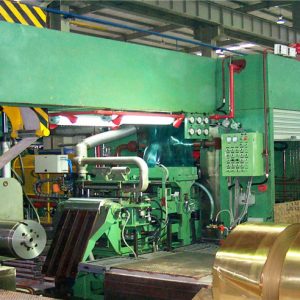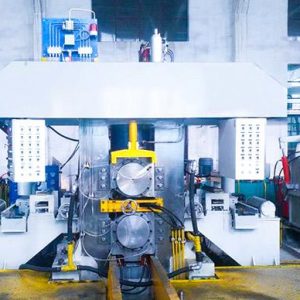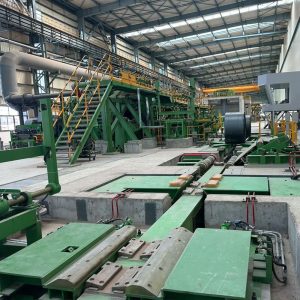

Φ500×1050 hot rolling mill
Brand name: HANI
Packing Details : Wooden box with fumigation or Wooden Fram or Steel Frame
Delivery Details: 30~60days or Based on the quantity
Shipping: Sea freight、Land freight、Air freight
HANI focuses on cold rolling mill equipment technology, safeguarding your production.
Product Details
In the dynamic world of metal processing and manufacturing, the selection of appropriate equipment is paramount to achieving optimal production efficiency, product quality, and operational cost-effectiveness. Among the essential machinery in this domain, the Φ500×1050 hot rolling mill stands as a cornerstone of modern metalworking facilities. This comprehensive guide delves into the technical specifications, operational capabilities, and industrial applications of this powerful hot rolling mill, providing industry professionals with the insights needed to leverage its full potential in various production environments.
Technical Overview of the Φ500×1050 Hot Rolling Mill
The Φ500×1050 hot rolling mill represents the pinnacle of engineering excellence in metal forming technology. With a roll diameter of 500mm and a roll body length of 1050mm, this robust machine is engineered to handle substantial production requirements while maintaining precision and reliability. The hot rolling mill configuration employs a two-high reversing design that enables bidirectional processing of materials, enhancing operational flexibility and throughput capacity.
At the core of this hot rolling mill’s performance is its impressive 300-ton rolling pressure capability, allowing it to effectively process thick metal stock ranging from 60mm to 140mm down to finished thicknesses between 10mm and 20mm. The mill’s operational speed of 60 meters per minute ensures high productivity while maintaining tight dimensional tolerances and superior surface finish quality. Powering this formidable machine is a robust 430-480KW main drive motor, carefully selected to provide sufficient torque and power for demanding hot rolling applications across various material types.
Material Processing Capabilities
One of the distinguishing features of the Φ500×1050 hot rolling mill is its versatility in processing diverse metal types. This hot rolling mill is specifically engineered to handle:
- Carbon steels: From low-carbon varieties to high-strength structural grades
- Tool steels: Including high-speed and high-alloy grades requiring controlled thermal processing
- Non-ferrous metals: Copper, aluminum, and their respective alloys
- Specialty alloys: Nickel-based, titanium, and other high-performance materials
The hot rolling mill’s ability to accommodate such a wide spectrum of materials stems from its robust construction, precise temperature control systems, and adaptable roll configurations. Each material type requires specific processing parameters, and this hot rolling mill provides the operational flexibility to optimize these settings for maximum efficiency and product quality.
Engineering and Structural Design Features
The structural integrity of the Φ500×1050 hot rolling mill is paramount to its performance and longevity. The mill stand is constructed from high-strength cast steel with stress-relieved components to minimize deformation under heavy load conditions. The housing design incorporates optimized load paths to distribute the substantial 300-ton rolling forces evenly throughout the structure, preventing premature wear and maintaining alignment accuracy over extended operational periods.
The roll assembly features precision-ground work rolls manufactured from specialized alloy steels with enhanced heat resistance properties. These rolls undergo sophisticated heat treatment processes to achieve optimal surface hardness (typically HSD 60-65) while maintaining adequate core toughness to resist thermal shock and mechanical fatigue. The bearing systems employ heavy-duty, self-aligning roller bearings specifically designed for high-temperature hot rolling mill environments, ensuring smooth operation and extended service life even under maximum load conditions.
Advanced hydraulic systems power both the roll gap adjustment mechanism and the roll changing apparatus. The hydraulic roll lifting device significantly reduces roll change times compared to traditional mechanical systems, while the hydraulic roll changing mechanism eliminates manual handling of these heavy components, enhancing operational safety and reducing downtime between production runs. These design elements collectively contribute to the hot rolling mill’s reputation for reliability and productivity in demanding industrial applications.
Detailed Technical Specifications
| Parameter | Specification | Performance Impact |
|---|---|---|
| Roll Diameter | Φ500mm | Determines maximum reduction per pass and material bite capability |
| Roll Body Length | 1050mm | Defines maximum material width processing capability |
| Rolling Pressure | 300 Tons | Enables processing of thick stock materials with significant reduction ratios |
| Rolling Speed | 60 m/min | High production throughput while maintaining control over material properties |
| Main Motor Power | 430-480 KW | Sufficient torque for demanding hot rolling operations across various materials |
| Input Material Thickness | 60-140mm | Versatile processing capability for various billet and slab sizes |
| Finished Product Thickness | 10-20mm | Produces semi-finished products ready for further processing or final use |
| Roll Material | Special alloy steel, heat treated | Superior wear resistance and thermal stability during continuous operation |
| Control System | Integrated PLC with HMI interface | Precise process control, data logging, and operational monitoring |
| Operating Temperature Range | 800°C – 1250°C (material dependent) | Optimized for recrystallization without grain growth or surface degradation |
Operational Workflow and Integration
Successful implementation of a Φ500×1050 hot rolling mill requires careful consideration of the entire production workflow. The hot rolling mill typically operates as part of an integrated processing line that includes material preparation, heating, rolling, and post-rolling treatment stages. Material preparation begins with proper cutting and cleaning of billets or slabs to ensure optimal feeding into the heating system.
Induction or gas-fired reheating furnaces bring materials to precise rolling temperatures, typically between 1000°C and 1250°C for carbon steels, with lower temperatures for non-ferrous materials. Advanced hot rolling mill operations employ real-time temperature monitoring systems to ensure material enters the roll gap within the optimal thermal window for the specific alloy being processed.
The rolling sequence typically involves multiple passes with decreasing roll gaps and carefully controlled reductions. For example, when processing a 120mm thick carbon steel slab to a 15mm finished plate, the sequence might include: 40mm first pass reduction, followed by 30mm, 25mm, 20mm, and final 10mm reductions, with intermediate temperature monitoring to prevent cooling below critical thresholds. The hydraulic control systems of the hot rolling mill enable precise gap adjustments between passes, typically accurate to ±0.1mm, ensuring consistent product dimensions throughout the production run.
Post-rolling processes often include controlled cooling on roller beds, edge trimming, shearing to length, and in some cases, additional heat treatments to achieve required mechanical properties. The integration of these downstream processes with the hot rolling mill’s output rate is critical for maintaining balanced production flow and maximizing overall equipment efficiency.
Comparative Analysis of Hot Rolling Equipment
| Mill Type | Φ500×1050 Two-High | Φ400×900 Two-High | Φ300×600 Two-High |
|---|---|---|---|
| Rolling Pressure | 300 Tons | 200 Tons | 180 Tons |
| Rolling Speed | 60 m/min | 50 m/min | 35 m/min |
| Input Material Thickness | 60-140mm | 40-80mm | 30-60mm |
| Output Thickness Range | 10-20mm | 8-12mm | 5-8mm |
| Main Motor Power | 430-480 KW | 280 KW | 160 KW |
| Typical Applications | Heavy plate, structural sections | Medium plate, flat products | Light gauge products, specialty alloys |
| Production Capacity | High volume, heavy stock | Medium volume production | Small batches, specialized products |
This comparative analysis demonstrates how the Φ500×1050 hot rolling mill occupies the premium segment of two-high mill configurations, offering superior capacity and versatility for heavy industrial applications. While smaller mills may suffice for specialized or low-volume operations, the Φ500×1050 configuration provides the optimal balance of power, precision, and productivity for high-demand manufacturing environments.
Maintenance and Operational Best Practices
Maximizing the operational lifespan and performance consistency of a Φ500×1050 hot rolling mill requires adherence to rigorous maintenance protocols and operational best practices. Preventative maintenance schedules should include:
- Daily inspections: Roll surface condition, bearing temperature monitoring, hydraulic system pressure checks, and cooling system functionality verification
- Weekly maintenance: Lubrication system verification, alignment checks of roll assemblies, inspection of drive couplings and gearboxes
- Monthly procedures: Comprehensive hydraulic fluid analysis and filtration, structural bolt torque verification, electrical system calibration
- Quarterly overhauls: Complete bearing inspection and replacement if necessary, roll regrinding or replacement planning, PLC system diagnostics
Operational best practices for the hot rolling mill include proper preheating procedures before full production runs, avoiding rapid temperature changes that could induce thermal shock in roll assemblies, maintaining clean material surfaces to prevent roll marking, and implementing consistent pass schedules based on material type and temperature conditions. Documentation of all maintenance activities and operational parameters creates valuable historical data that can predict component life and optimize replacement scheduling, ultimately enhancing the hot rolling mill’s availability and production efficiency.
Energy Efficiency and Environmental Considerations
Modern hot rolling mill operations increasingly prioritize energy efficiency and environmental sustainability. The Φ500×1050 hot rolling mill incorporates several design features that contribute to reduced energy consumption and minimized environmental impact:
- Regenerative braking systems: Capturing kinetic energy during deceleration phases and feeding it back to the power grid
- Variable frequency drives: Optimizing motor power consumption based on actual load requirements rather than operating at fixed speeds
- Heat recovery systems: Capturing waste heat from cooling systems for facility heating or preheating incoming materials
- Advanced insulation: Minimizing heat loss from critical components and reducing energy requirements for maintaining operational temperatures
- Water recycling: Closed-loop cooling systems with filtration and treatment to minimize freshwater consumption and wastewater generation
These features not only reduce the operational carbon footprint of the hot rolling mill but also contribute to significant cost savings over the equipment’s lifecycle. Industry data suggests that modern hot rolling mills incorporating these efficiency measures can reduce energy consumption by 15-25% compared to conventional designs of similar capacity, representing substantial environmental and economic benefits.
Application Case Studies
A prominent steel processor in Eastern Europe implemented a Φ500×1050 hot rolling mill to upgrade their plate production capabilities. The facility previously operated a 25-year-old mill with significantly lower capacity and precision. After installation of the new hot rolling mill, production throughput increased by 35% while dimensional tolerances improved from ±1.5mm to ±0.4mm. Energy consumption per ton of processed material decreased by 18%, and unplanned downtime reduced by 60% due to the improved reliability and diagnostic capabilities of the modern control systems.
In another application, a specialty metals manufacturer in Asia deployed the Φ500×1050 hot rolling mill for processing nickel-based superalloys used in aerospace components. The precise temperature control and reduction capabilities of this hot rolling mill enabled them to achieve consistent microstructural properties that were previously unattainable with their older equipment. The facility reported a 40% reduction in material rejection rates and a significant improvement in mechanical property consistency across production batches, directly contributing to enhanced product performance in critical applications.
HANI has incorporated similar technology in their production facilities, achieving remarkable improvements in both efficiency and product quality. Their experience demonstrates how proper selection and implementation of hot rolling equipment can transform manufacturing capabilities.
Thermal Processing Window for Common Materials
Note: Optimal hot rolling temperatures vary by material composition and desired final properties
| Material Category | Optimal Entry Temperature (°C) | Minimum Exit Temperature (°C) | Cooling Rate Recommendation |
|---|---|---|---|
| Low Carbon Steel | 1150-1250 | 850 | Controlled air cooling |
| High-Strength Low-Alloy Steel | 1100-1200 | 800 | Accelerated cooling for microstructural refinement |
| Stainless Steel (Austenitic) | 1150-1200 | 900 | Rapid water quenching to prevent carbide precipitation |
| Aluminum Alloys | 400-500 | 300 | Moderate air cooling with temperature monitoring |
| Copper and Brass | 650-750 | 450 | Air cooling with controlled environment |
| Titanium Alloys | 900-980 | 750 | Inert atmosphere cooling to prevent oxidation |
Frequently Asked Questions
What is the expected lifespan of a Φ500×1050 hot rolling mill under normal operating conditions?
With proper maintenance and operational practices, a well-constructed Φ500×1050 hot rolling mill can provide 20-25 years of reliable service. Critical components such as rolls, bearings, and drive systems typically require replacement or refurbishment at 5-8 year intervals depending on production volume and material types processed. The mill structure itself, when properly protected from corrosion and excessive stress, often exceeds the 25-year service life.
How does material temperature affect the performance of a hot rolling mill?
Material temperature is critical to hot rolling mill performance and product quality. Insufficient temperature increases rolling forces dramatically, potentially exceeding mill capacity and causing surface defects. Excessive temperatures can lead to grain growth, surface oxidation, and potential roll damage. The optimal temperature window varies by material but generally falls between 800°C and 1250°C. Modern hot rolling mill operations employ infrared pyrometers and thermal imaging systems to monitor material temperature continuously throughout the rolling process.
Can the Φ500×1050 hot rolling mill process both ferrous and non-ferrous materials?
Yes, the Φ500×1050 hot rolling mill is engineered to process a wide range of materials including carbon steels, alloy steels, stainless steels, copper alloys, aluminum alloys, and specialty materials like titanium and nickel-based superalloys. However, changing between material types typically requires adjustments to roll gap settings, rolling speeds, temperature parameters, and sometimes roll surface preparation to accommodate the different mechanical and thermal properties of each material class.
What is the typical production capacity of this hot rolling mill?
Production capacity varies significantly based on material type, starting dimensions, finished specifications, and operational practices. For medium carbon steel processing from 100mm to 15mm thickness, a Φ500×1050 hot rolling mill can typically achieve throughput rates of 30-45 tons per hour. For lighter reductions or more challenging materials like stainless steel or high-temperature alloys, capacity may decrease to 15-25 tons per hour. These figures assume optimal operational conditions with adequate material preparation and heating systems feeding the hot rolling mill consistently.
What auxiliary equipment is necessary for a complete hot rolling mill installation?
A complete hot rolling mill installation requires several supporting systems: material heating furnaces (induction or gas-fired), entry and exit roller tables with transfer mechanisms, descaling systems (high-pressure water or mechanical), cooling beds for controlled thermal treatment post-rolling, shearing or cutting equipment for final sizing, material handling systems (cranes, manipulators), comprehensive cooling systems for rolls and bearings, hydraulic power units, electrical distribution and control systems, and emissions control equipment. Proper integration of these systems with the hot rolling mill is essential for optimal performance.
Economic Considerations and ROI Analysis
Investing in a Φ500×1050 hot rolling mill represents a significant capital expenditure that requires careful financial analysis. Beyond the initial equipment cost, comprehensive budgeting should account for installation expenses, auxiliary equipment, facility modifications, staff training, and initial spare parts inventory. However, the return on investment can be substantial when the hot rolling mill is properly integrated into production operations.
A detailed ROI analysis typically demonstrates payback periods of 3-5 years for well-utilized equipment, with primary value drivers including:
- Increased production capacity without proportional increases in labor costs
- Reduced material waste through improved dimensional control
- Lower energy consumption per ton of processed material compared to older equipment
- Decreased maintenance costs and downtime compared to aging machinery
- Enhanced product quality enabling premium pricing or reduced rejection rates
- Expanded capability to process higher-value material grades and specifications
Companies that strategically leverage the capabilities of their hot rolling mill often find that the equipment becomes a competitive advantage rather than merely a production asset. The ability to consistently deliver high-quality products with tight tolerances and superior mechanical properties enables manufacturers to serve more demanding markets and command better margins on their products.
Future Developments in Hot Rolling Technology
The evolution of hot rolling mill technology continues to advance rapidly, with several emerging trends likely to influence future designs and capabilities. Digital twin technology is increasingly being integrated with hot rolling operations, creating virtual replicas that can simulate process parameters and predict outcomes before physical processing occurs. This capability reduces trial-and-error approaches and optimizes process parameters for new materials or product specifications.
Artificial intelligence and machine learning algorithms are being deployed to analyze vast datasets from hot rolling operations, identifying subtle patterns that human operators might miss. These systems can predict roll wear patterns, optimize pass schedules in real-time based on material conditions, and even anticipate maintenance needs before failures occur. The integration of these technologies with traditional hot rolling mill equipment is transforming metal processing from an art into a precise science.
Material science advancements are also driving hot rolling mill development, particularly in roll design and surface engineering. New composite roll materials combining ceramic and metallic properties offer dramatically improved wear resistance and thermal stability, extending roll life by 30-50% compared to conventional materials. Advanced coating technologies applied to roll surfaces can further enhance performance in specific applications, such as processing highly abrasive or adhesive materials.
HANI continues to monitor these developments closely, ensuring their manufacturing capabilities remain at the forefront of industry innovation. Their commitment to adopting advanced hot rolling technologies has established them as a leader in precision metal processing.
Conclusion: The Strategic Value of the Φ500×1050 Hot Rolling Mill
The Φ500×1050 hot rolling mill represents far more than a piece of industrial equipment—it embodies a strategic production capability that can transform a manufacturer’s competitive position in the marketplace. Its combination of robust construction, precise control systems, and versatile processing capabilities makes it an invaluable asset for companies seeking to enhance their metal forming operations.
When properly implemented and maintained, this hot rolling mill delivers consistent quality, operational efficiency, and production flexibility that directly impact bottom-line results. The substantial 300-ton rolling capacity paired with precise control mechanisms enables manufacturers to process challenging materials and demanding specifications that would be impossible on smaller or less sophisticated equipment.
As industries worldwide continue to demand higher performance materials with tighter tolerances and more consistent properties, the role of advanced hot rolling equipment becomes increasingly critical. The Φ500×1050 hot rolling mill, with its proven engineering and adaptable design, stands ready to meet these challenges and deliver exceptional value throughout its operational lifecycle.
For manufacturing organizations evaluating their production capabilities, the investment in a modern hot rolling mill such as the Φ500×1050 configuration should be viewed not as an expense but as a strategic enabler of growth, quality improvement, and competitive differentiation in an increasingly demanding global marketplace.
HANI is one of China’s leading professional cold rolling mill manufacturers, providing complete cold rolling systems to steel companies worldwide. HANI focuses on designing and manufacturing integrated cold rolling solutions that meet the industry’s highest standards of precision, efficiency, and durability. Our engineering expertise lies in providing turnkey cold rolling production lines to optimize the performance of modern steel manufacturing plants.