Cold-Rolled Sheet Steel Production Process
From hot-rolled coil to finished sheet: the seven core stages of cold rolling
Cold-rolled sheet steel is produced through a tightly controlled sequence of operations, each of which determines the dimensional accuracy, surface quality and mechanical properties of the final product. The process flow below sets out the seven core stages, from incoming hot-rolled strip to packed finished sheet.
01 BLANK PREPARATION
Hot-rolled strip with a thickness of 1.5–6 mm is selected as the cold-rolling blank. Before the strip enters the cold-rolling line, its quality and dimensions must be verified and screened against cold-rolling requirements — strip width, thickness tolerance and flatness, for example — to ensure that only compliant material goes into production.
02 PICKLING
The purpose of pickling is to remove iron oxide scale, dirt and other impurities from the surface of the hot-rolled strip, so that the strip surface is clean and in the right condition for subsequent cold rolling and surface treatment. Pickling normally uses acid solutions such as hydrochloric acid or sulfuric acid: the strip is immersed and rinsed in the acid bath for a defined period to dissolve the surface oxides. Modern pickling practice has been continuously refined — continuous pickling lines have raised both efficiency and quality, while acid recovery and effluent treatment have become more environmentally sound.
03 COLD ROLLING
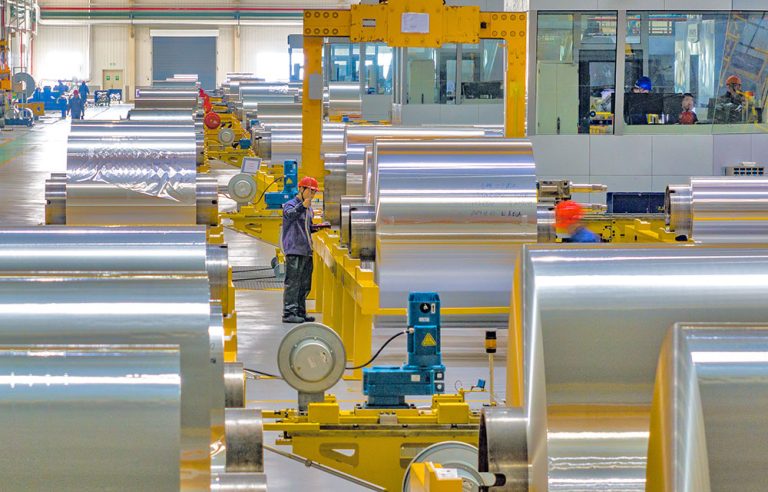
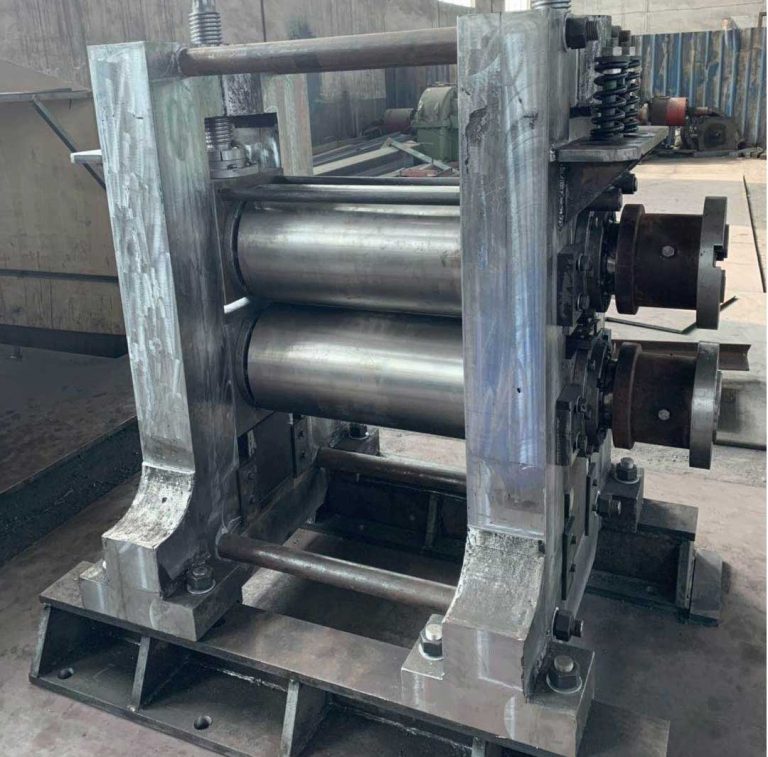
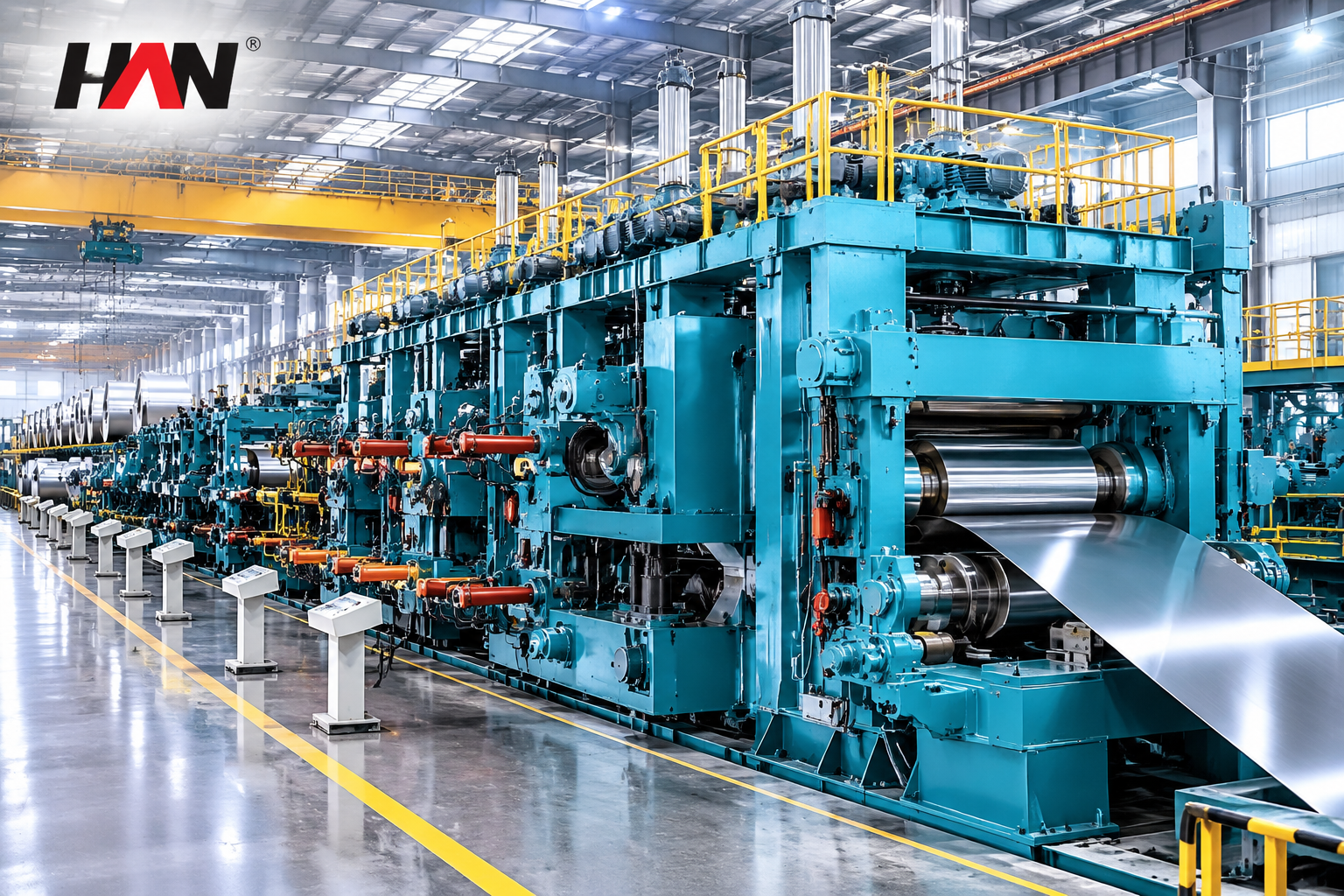
The pickled strip is rolled at ambient temperature to bring its thickness down further to the required gauge. During cold rolling, parameters such as rolling force, rolling speed and reduction per pass must be controlled to secure dimensional accuracy and mechanical properties. Cold mills are available in different configurations, including reversing cold mills and fully continuous cold mills; fully continuous mills allow uninterrupted production and therefore higher output.
04 DEGREASING
Lubricating oil is applied to the strip surface during cold rolling. Because this oil volatilises in the annealing furnace and the residues left on the strip form hard-to-remove black spots, degreasing is carried out before annealing to wash the oil from the strip surface. Degreasing methods include chemical and physical routes; chemical degreasing — removing oil with a degreasing agent — is the method most commonly used.
05 ANNEALING
Annealing is a key operation in the production of cold-rolled sheet steel. Its purpose is to eliminate the work hardening generated during cold rolling, soften the steel and restore its plasticity and toughness, while improving the microstructure and properties of the sheet. Annealing is performed in a protective atmosphere, typically hydrogen or nitrogen. Depending on product requirements and process route, annealing may take the form of batch (cover-type) annealing or continuous annealing.
06 TEMPER ROLLING
The annealed strip is temper rolled (skin passed) to obtain a flat, clean surface, a uniform thickness and adjusted mechanical properties. During temper rolling, parameters such as rolling force and line speed must be controlled to avoid any adverse effect on surface quality and mechanical properties.
07 SHEARING
The strip is then cut to the order requirements through cross-cutting and slitting: cross-cutting cuts the strip to the required length, while slitting cuts it to the required width. After shearing, the cold-rolled sheet steel becomes the finished product, ready for packing and shipment.
Controlled at every stage — from coil selection to final shearing — the cold-rolling line delivers sheet steel with consistent gauge, surface and forming performance.