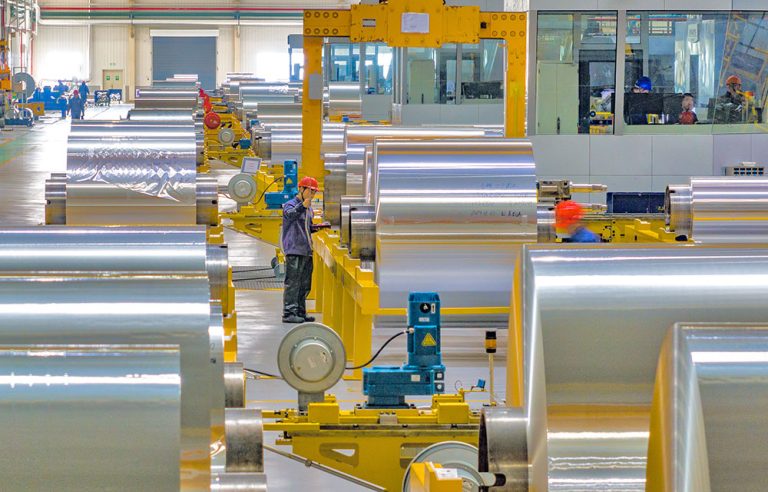
Maintenance of Tungsten Carbide Rolls in Cold Rolling Mill and Special Bearing Steel Material
In the world of metal processing, cold rolling mills play a pivotal role in shaping high-precision steel products. Among the most critical components within these systems are tungsten carbide rolls and specialized bearing steels. Their performance directly impacts product quality, machine uptime, and overall production efficiency. Understanding how to properly maintain tungsten carbide rolls and select the right bearing steel material is essential for any operation aiming for consistency and longevity.
Why Tungsten Carbide Rolls Matter in Cold Rolling Mills
Tungsten carbide (WC) rolls are widely used in cold rolling mills due to their exceptional hardness (typically 86–93 HRA), wear resistance, and ability to maintain dimensional stability under high pressure. Unlike conventional steel rolls, WC rolls resist deformation and surface damage even after prolonged use, making them ideal for producing thin, high-tolerance strips and tubes.
However, their high performance comes with specific maintenance requirements. Neglecting these can lead to premature failure, surface defects on rolled products, or costly unplanned downtime.
Key Maintenance Practices for Tungsten Carbide Rolls
Proper care isn’t just about cleaning—it’s a systematic approach that includes handling, inspection, storage, and operational monitoring.
1. Daily Cleaning and Surface Inspection
After each shift or production run, rolls should be cleaned using non-abrasive methods. Avoid steel wool or harsh brushes that can scratch the carbide surface. Instead, use soft cloths with mild solvents or dedicated roll-cleaning solutions to remove oil, metal fines, and coolant residues.
Inspect the roll surface under good lighting for:
- Micro-cracks or chipping
- Uneven wear patterns
- Build-up of oxide or scale
- Deep grooves or scoring
Even minor surface damage can transfer to the strip being rolled, causing surface defects like scratches or ridges.
2. Proper Handling and Mounting
Tungsten carbide is extremely hard but also brittle. Dropping a roll—even from a short height—can cause internal fractures that aren’t visible but weaken structural integrity.
Always use lifting fixtures designed for carbide rolls. During installation, ensure alignment is precise to avoid uneven loading. Misalignment creates localized stress points, accelerating wear and potentially cracking the roll.
3. Lubrication and Coolant Management
While tungsten carbide itself doesn’t require lubrication, the interface between the roll and the workpiece does. Use high-quality rolling oils or emulsions with proper filtration to prevent abrasive particles from circulating.
Maintain coolant pH between 8.5–9.5 to minimize corrosion. Contaminated or degraded coolant can lead to pitting or staining on both the roll and the final product.
4. Storage Guidelines
When not in use, store rolls vertically in climate-controlled environments. Humidity should be kept below 60% to prevent moisture-related issues. Wrap rolls in anti-corrosion paper and avoid stacking or leaning them against hard surfaces.
Understanding Bearing Steel in Cold Rolling Mill Applications
Bearings in cold rolling mills endure extreme radial and axial loads, high speeds, and constant vibration. The choice of bearing steel directly affects reliability and service life. Two grades dominate the industry: GCr15 and GCr15SiMn.
GCr15 vs. GCr15SiMn: A Practical Comparison
Both are high-carbon chromium bearing steels standardized under Chinese GB/T standards (equivalent to AISI 52100 in the U.S.). However, subtle differences make one more suitable than the other depending on operating conditions.
| Property | GCr15 | GCr15SiMn |
|---|---|---|
| Carbon (C) | 0.95–1.05% | 0.95–1.05% |
| Chromium (Cr) | 1.40–1.65% | 1.40–1.65% |
| Silicon (Si) | 0.15–0.35% | 0.45–0.75% |
| Manganese (Mn) | 0.25–0.45% | 0.90–1.20% |
| Hardness (after heat treatment) | 61–65 HRC | 62–66 HRC |
| Toughness | Good | Better (due to higher Mn/Si) |
| Typical Use Case | Standard cold rolling mill bearings, moderate loads | Heavy-duty applications, high shock loads, larger mills |
GCr15SiMn’s higher silicon and manganese content improves hardenability and impact resistance, making it preferable for large-diameter backup rolls or mills processing harder alloys. GCr15 remains cost-effective and sufficient for most standard cold rolling operations involving stainless or carbon steel strips.
Common Operational Pitfalls and How to Avoid Them
Even with high-quality materials, poor practices can undermine performance.
Overloading the Mill
Exceeding recommended reduction ratios puts excessive stress on both rolls and bearings. For tungsten carbide rolls, this can cause edge chipping. Always follow manufacturer guidelines for maximum pass reduction—typically 10–20% per pass for thin strips.
Ignoring Vibration Monitoring
Unusual vibrations often signal bearing wear, roll imbalance, or misalignment. Install vibration sensors on roll necks and monitor trends weekly. A sudden increase in RMS (Root Mean Square) velocity above 4 mm/s usually warrants inspection.
Using Incompatible Coolants
Some synthetic coolants contain chlorine or sulfur additives that corrode carbide binders (usually cobalt). Always verify coolant compatibility with your roll supplier. A simple test: immerse a small carbide sample in the coolant for 72 hours at 60°C—if discoloration or pitting occurs, switch formulations.
Real-World Performance Data from Industrial Use
Based on field reports from multiple steel plants in Asia and Europe, here’s how proper maintenance translates into measurable outcomes:
| Maintenance Practice | Roll Life (Avg.) | Surface Defect Rate | Downtime Reduction |
|---|---|---|---|
| No scheduled cleaning or inspection | 8–12 weeks | 3.2% | Baseline |
| Daily cleaning + weekly inspection | 18–24 weeks | 0.9% | ~35% less |
| Full protocol (cleaning, alignment checks, coolant control, vibration monitoring) | 30+ weeks | 0.3% | ~60% less |
These numbers highlight a clear return on investment: disciplined maintenance extends roll life by 2–3x and dramatically improves surface quality—critical for automotive or appliance-grade steel.
Final Tips for Mill Operators
- Keep a roll logbook: Record installation date, total meters rolled, surface inspections, and any anomalies. This helps predict end-of-life and plan replacements.
- Train operators on visual cues: Teach them to recognize early signs of roll wear—such as inconsistent strip thickness or unusual noise during rolling.
- Partner with your roll supplier: Reputable manufacturers often provide free on-site audits and recommend optimal parameters based on your specific mill setup and product mix.
- Never reuse damaged backup rolls: Even if the surface looks okay, internal cracks from overload can propagate and cause catastrophic failure.
By treating tungsten carbide rolls and bearing steels not just as consumables but as precision-engineered assets, cold rolling mills can achieve higher throughput, better product consistency, and significantly lower operating costs over time.