Difference Between Cold Rolling Mill and Aluminum Rolling Mill, Distinguishing Cold Rolled vs Hot Rolled Aluminum Sheet
In the world of metal fabrication, precision and process are everything. The terms ‘cold rolling mill’ and ‘aluminum rolling mill’ are often heard, sometimes used interchangeably, but they represent different concepts. Similarly, understanding the distinction between cold rolled and hot rolled aluminum sheet is crucial for selecting the right material for any application. This guide will break down these topics in a clear, practical way.
Understanding the Mills: Process vs. Material
Before comparing them, it’s essential to understand that we are comparing a process-defined machine (a cold rolling mill) with a material-specific machine (an aluminum rolling mill). This is the root of the distinction.
What is a Cold Rolling Mill?
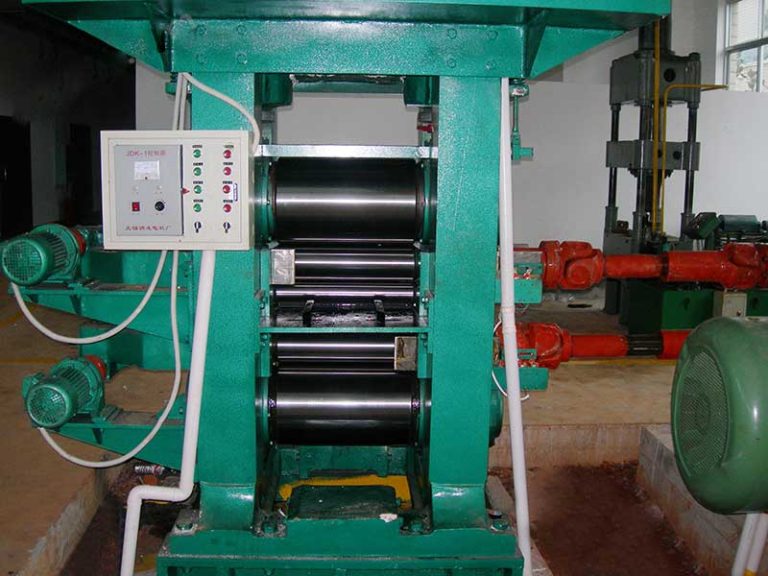
A cold rolling mill is a piece of equipment designed to reduce the thickness of metal sheets or strips without the use of heat. The process occurs at or near room temperature, which is below the metal’s recrystallization temperature. The primary material fed into a cold rolling mill is typically a hot-rolled coil, which is already relatively thin.
- →Key Purpose: To achieve precise dimensional tolerances, improve surface finish, and increase the strength and hardness of the metal through a process called work hardening.
- →Metals Processed: It’s a versatile machine used for various metals, including steel, copper, brass, and, of course, aluminum.
- →Outcome: The final product is a “cold-rolled” sheet or coil with a smooth, often oily surface and enhanced mechanical properties.
What is an Aluminum Rolling Mill?
An aluminum rolling mill is a machine specifically designed and optimized for rolling aluminum. Aluminum is a much softer and more malleable metal than steel, so the mill’s construction, roll materials, lubrication systems, and control mechanisms are tailored to handle its unique properties effectively.
An aluminum rolling mill can be a hot rolling mill (processing heated aluminum ingots or slabs) or a cold rolling mill (processing aluminum coils at room temperature). Therefore, a machine can be both an aluminum rolling mill and a cold rolling mill simultaneously.
Simple Analogy: Think of vehicles. A “Cold Rolling Mill” is like the category “All-Wheel Drive Vehicle” – it describes a function. An “Aluminum Rolling Mill” is like a “Pickup Truck” – it describes a specific type of vehicle built for a purpose. A pickup truck can certainly have all-wheel drive. Similarly, an aluminum mill can be a cold rolling mill.
The Product: Distinguishing Cold Rolled vs. Hot Rolled Aluminum Sheet
Now that we understand the machinery, let’s look at the products they create. The manufacturing process dramatically impacts the final properties of an aluminum sheet. The choice between hot rolled and cold rolled aluminum is one of the most critical decisions in material selection.
| Feature | Hot Rolled Aluminum | Cold Rolled Aluminum |
|---|---|---|
| Manufacturing Process | Rolled at high temperatures (above 350-500°C), well above aluminum’s recrystallization temperature. | Processed at room temperature, after the initial hot rolling stage. |
| Starting Material | Large, cast aluminum ingots or slabs, heated in a furnace. | Hot-rolled aluminum coils (also known as cast-rolled coils). |
| Surface Finish | Duller, slightly rougher surface due to oxidation and scaling at high temperatures. Not perfectly smooth. | Smooth, bright, and often slightly oily surface. Superior aesthetic quality. |
| Mechanical Properties | More ductile (formable), lower strength, uniform mechanical properties, and minimal internal stress. | Higher strength and hardness (due to work hardening), but less ductile. Can have significant internal stresses. |
| Dimensional Tolerance | Less precise. The metal shrinks and warps slightly as it cools, leading to wider tolerances in thickness and shape. | Highly precise and consistent thickness. Excellent control over final dimensions. |
| Common Applications | Structural components, automotive parts (chassis), deep drawing, stamping, and applications where extreme formability is needed. | Molds, decorative panels, electronics enclosures, lighting fixtures, and applications requiring a fine surface finish and tight tolerances. |
Practical Guide: Key Parameters of a Cold Rolling Mill
For those involved in production, understanding the technical specifications of a cold rolling mill is vital for quality control and process optimization. These parameters directly influence the final product’s characteristics.
How to Visually Identify the Difference
If you have two unmarked pieces of aluminum, here are some quick tips to tell them apart:
- →Check the Surface: Cold rolled aluminum will be smooth, reflective, and uniform. Hot rolled aluminum will look duller and may have a slightly textured or “mill finish” appearance.
- →Look at the Edges: The edges of hot rolled sheets might be slightly rounded and less defined due to the high-temperature process. Cold rolled sheets typically have sharp, well-defined edges.
Ultimately, the choice between these materials depends entirely on the end-use. If your project demands high formability and cost-effectiveness, and surface finish is not the top priority, hot rolled aluminum is an excellent choice. However, if you require superior surface quality, precise dimensions, and higher strength for an application like decorative panels or precision components, the cold rolling process delivers the necessary properties. Understanding these fundamental differences in both the machinery and the final product is the first step toward successful material selection and manufacturing.